Evaluating Facility Electrical Distribution Capacity Supporting Electrical Forklift Fleet Conversions
News 10/10/2026
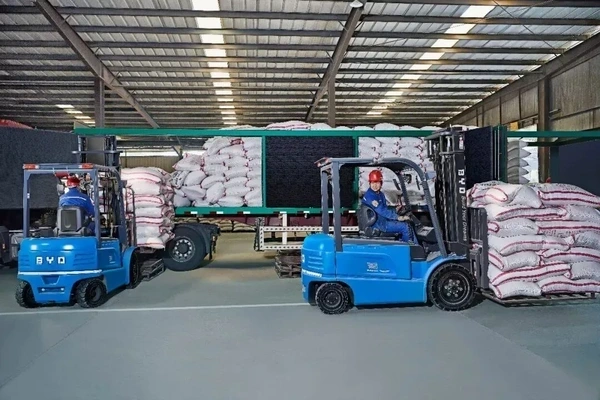
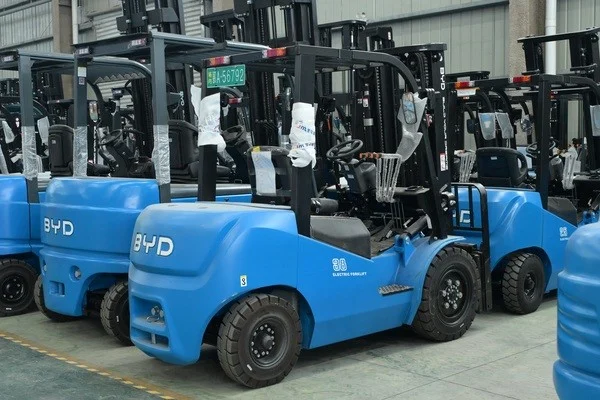
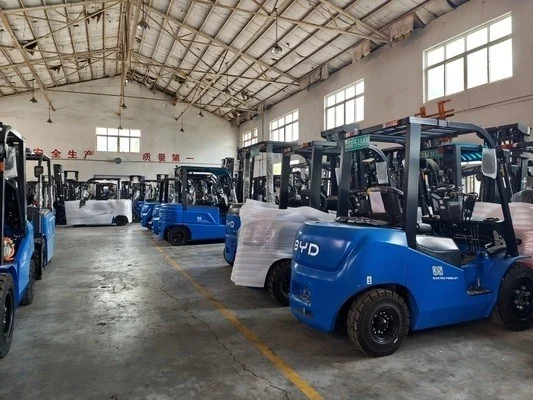
Many operations shift internal logistics fleets from internal combustion models to electrical forklift units. This transition cuts on-site emissions, lowers long-term operating costs, and aligns with many corporate sustainability goals. However, success depends entirely on existing facility electrical infrastructure ability to handle consistent new load from daily charging. Without proper upfront evaluation, facilities face unexpected outages, damaged equipment, or costly emergency upgrades mid-conversion.
What Electrical Distribution Capacity Evaluation Entails
Evaluation maps all existing electrical draws across a facility, then calculates added load generated by regular electrical forklift charging. This process identifies bottlenecks before any fleet purchases or infrastructure changes begin. Evaluations account for peak usage times, when multiple forklifts may charge simultaneously alongside other high-demand facility operations like manufacturing or warehouse shipping.
Core Load Impacts From New Electrical Forklift Fleets
A single electrical forklift requires between 10 kW and 100 kW charging capacity, depending on unit size and battery type. Fast charging systems draw even higher load over shorter periods. When fleets include 10 or more units, total added load can push existing distribution panels past their rated limit. Many older facilities built before widespread adoption of electrical logistics equipment include distribution systems with extra headroom allocated future growth, but few accommodate the consistent high load of full fleet conversions.
Step-by-Step Capacity Assessment
Map Current Facility Load Profiles
First, document all existing connected equipment and its consistent power draw. Record peak load times across different shifts to understand when demand hits highest levels. This data creates a baseline that shows how much unused capacity exists within the current distribution system. Utility companies often provide historical demand data that supports this step.
Calculate Total Charging Load Requirements
Next, multiply individual charging capacity by number of electrical forklifts expected to charge at peak times. Include adjustments for fast charging versus slow overnight charging. Slow overnight charging spreads load across longer periods, reducing peak demand. Fast charging supports multi-shift operations but concentrates demand into narrow windows, increasing required capacity.
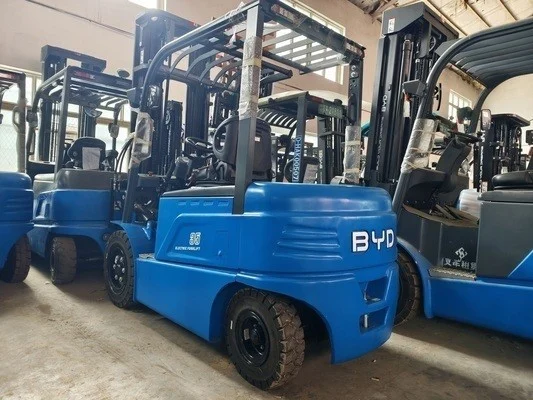
Test Distribution System Under Simulated Peak Load
Licensed electrical contractors can run load tests to confirm system performance under expected new demand. Testing reveals hidden issues like outdated wiring, loose connections, or overloaded transformers that baseline calculations alone miss.
Common Constraints That Block Full Conversions
Several common issues appear during evaluations that stop or delay fleet conversion projects: Outdated main service transformers with insufficient rated capacity, distribution panels that lack available circuit slots, voltage drops across long wiring runs to remote charging areas, and monthly demand charge structures that increase operational costs if peak load grows too high. Each constraint requires different mitigation strategies, depending on facility size and conversion timeline.
Mitigation Strategies Addressing Capacity Gaps
When evaluations reveal capacity gaps, teams can choose between multiple solutions based on budget and timeline:
- Upgrading main service transformers and distribution panels delivers permanent capacity increases, but requires high upfront investment and extended facility downtime during installation.
- Smart charging management systems stagger charging start times across off-peak hours, reducing peak demand without major infrastructure changes. This solution works well for facilities with moderate capacity gaps and flexible charging schedules.
- On-site energy storage systems store power during low demand periods, then discharge it to charge forklifts during peak times, reducing strain on the main distribution system.
Hypothetical application: A 50,000 square foot warehouse planned conversion of 12 internal combustion units to 12 electrical forklift. Baseline evaluation showed existing main transformer operated at 85% capacity during peak shipping shifts. Adding full simultaneous charging would push load to 112% of rated capacity. The team installed a smart charging system that staggers charging across breaks and off-peak hours, cutting peak added load by 40% and avoiding a major transformer upgrade project.
Frequently Asked Questions
How much extra capacity does a full electrical forklift fleet require?
Required extra capacity depends on fleet size, battery voltage, and charging behavior. Small fleets under five units often fit within existing facility spare capacity, while larger fleets require formal evaluation to confirm available headroom.
Can I convert my fleet incrementally to avoid large upgrades?
Incremental conversion works well for many facilities. Adding a small number of units each year lets teams spread infrastructure upgrade costs and adjust charging strategies as the fleet grows. Teams should still complete a full long-term capacity evaluation early to avoid repeated partial upgrades that raise total costs over time.
Do smart charging systems eliminate need for infrastructure upgrades?
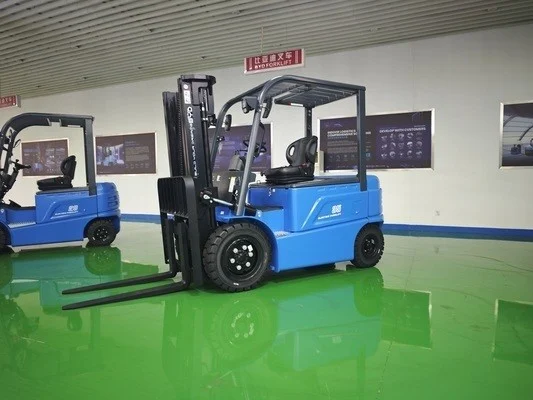
No, smart charging systems reduce peak demand, but they cannot overcome severe capacity gaps. Facilities with extremely limited existing capacity still require core infrastructure upgrades to support even staggered charging.
Who completes formal electrical distribution capacity evaluations?
Licensed professional electrical contractors or qualified power system engineers complete these evaluations. They have training and tools needed to accurately test load and identify hidden safety or capacity issues.
Final Takeaways
Upfront electrical distribution capacity evaluation removes uncertainty from electrical forklift fleet conversion projects. It identifies potential issues early, when solutions cost less and cause less operational disruption. Teams that complete this process can make informed decisions aligned with budget, operational needs, and long-term sustainability goals.