Proper Counterbalance Forklift Counterweight Calibration Supports Safe Heavy Load Handling
News 15/10/2026
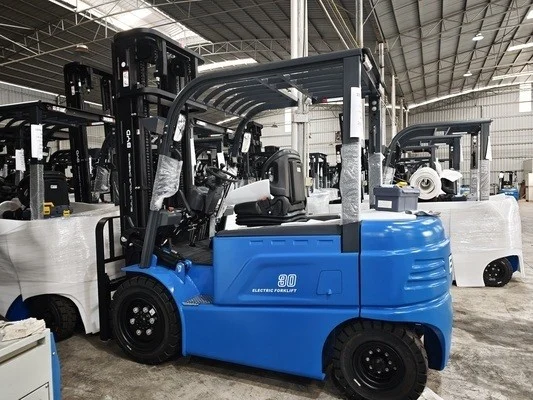
Automotive manufacturing facilities move large, heavy components constantly. Engine blocks, transmission assemblies, and full vehicle chassis require consistent load handling from counterbalance forklift. Unbalanced counterweights create tipping risks, reduce steering control, and damage stored components or facility infrastructure. This industry’s unique loading patterns—frequent shifts between light small parts and full heavy subassemblies—make regular counterweight calibration a critical safety step. Most automotive manufacturing facilities feature narrow aisles between parts storage racks, with tight turning zones near active assembly lines. Even minor counterweight misalignment can lead to unintended contact with racks, stored parts, or production equipment, causing costly downtime and product damage. Both electric and internal combustion counterbalance forklift see common use in this sector, so calibration requirements apply equally to both power types.
Calibration Needs Specific To Automotive Manufacturing And Parts Logistics
Counterweight Base Weight And Attachment Adjustments
This parameter defines total mass placed opposite the front-mounted load to balance the forklift. The automotive industry focuses on this factor because component weights span extremely wide ranges. Adding common attachments such as side shifters or clamps alters front-end weight, which shifts overall center of gravity away from factory baseline settings.
When you receive a new counterbalance forklift, cross-check marked counterweight mass against the specification sheet you submitted to your supplier, matching the value to your maximum regular load and attachment combination. Standard counterweight configurations match the base rated load of the forklift. You can request additional counterweight mass if you regularly use heavy attachments or handle loads with extended load centers. The key limitation: adding extra weight brings increased stress to drive axles and tires, and reduces maneuverability in the narrow aisles common in automotive parts storage areas.
Calibration Test Condition Requirements
Facility ground conditions impact calibration accuracy. Most automotive manufacturing sites include slight ground grades designed to support drainage, which can skew calibration results if checks happen on unlevel ground. When you schedule calibration, confirm testing occurs on a confirmed flat level surface within your facility. You also need a test load matching the maximum weight your team regularly handles to get accurate results.
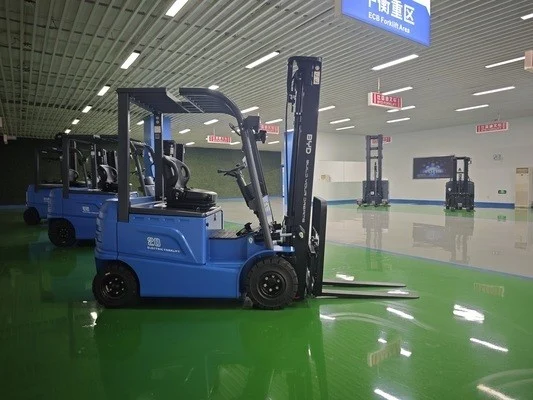
Factory calibration completed on perfectly level test bays cannot match your site’s unique ground conditions, so always recheck after delivery. Accurate calibration requires certified weight measurement tools. In-house teams without proper equipment cannot deliver reliable results, so plan to work with trained technicians to complete this step.
| Parameter | Industry Risk | Required Supplier Documentation | Configuration Type |
|---|---|---|---|
| Base counterweight mass | Tipping during lifts of heavy engine blocks | Mass specification matching your rated load | Standard, adjustable on request |
| Counterweight position post attachment installation | Shifted center of gravity reduces steering control | Recalibration guide after new attachment fitting | Required adjustment post-installation |
| Recommended calibration check interval | Gradual shift from regular heavy use causes imbalance | Check frequency aligned with your daily shift count | Supplier specified, adjustable based on site use |
| Load center alignment | Misalignment reduces carrying capacity when handling large chassis components | Alignment test results after delivery | Required verification pre-use |
Pre-Purchase And Pre-Use Verification Steps
- Document your facility’s heaviest regular load size, load center distance, and common attachment combinations, share this data with your supplier before finalizing your order.
- Require on-site calibration after forklift delivery and attachment installation, do not accept factory-only calibration as final.
- Complete a test lift with your maximum actual load before putting the unit into regular service, observe steering response and tip tendency during slow turns.
- Schedule regular re-calibration checks based on your usage intensity; facilities operating three daily shifts need more frequent checks than single-shift operations.
- Keep calibration records linked to each individual forklift, align checks with regular preventive maintenance schedules.
These steps do not replace mandatory site safety inspections required by your local governing bodies. Always follow local safety guidelines governing material handling equipment operation in your area.
Frequently Asked Questions
How often should I recalibrate my counterbalance forklift counterweight?
No universal fixed interval exists. Base your schedule on your daily usage intensity, common load weight, and any impact events the forklift experiences. Any collision or impact hitting the counterweight requires immediate recalibration. Facilities with heavy daily use in automotive logistics typically schedule checks alongside other preventive maintenance work.
Can my in-house team adjust counterweight calibration?
Minor position adjustments require proper weight measurement tools and solid understanding of center of gravity calculations. Most facility teams rely on trained technicians or supplier representatives to complete accurate adjustments. Incorrect adjustment creates serious safety risks, so do not attempt adjustments without proper training and certified equipment.
Does calibration change after I switch attachments?
Any new attachment adds weight and shifts the forklift’s overall center of gravity. You must verify counterweight balance and adjust calibration after any attachment change that alters total front-end weight. This step becomes even more critical when switching between small parts clamps and heavy engine lifting attachments common in automotive manufacturing.
Why does this calibration matter more in automotive logistics than other sectors?
Automotive logistics operations handle extremely varied load weights, from small fasteners to multi-hundred kilogram subassemblies. Frequent load changes put extra stress on counterbalance alignment, and unbalanced units pose higher risk to high-value components and crowded production facilities. Consistent calibration prevents costly damage and keeps work teams protected.
Proper counterweight calibration keeps your counterbalance forklift operations safe and reliable within automotive manufacturing and parts logistics environments. Prioritize on-site verification and regular checks to align with your facility’s unique load patterns and operating conditions.