Key Tradeoffs Between Counterbalance Forklift Lift Height and Load Capacity Engineers Assess
News 04/10/2026
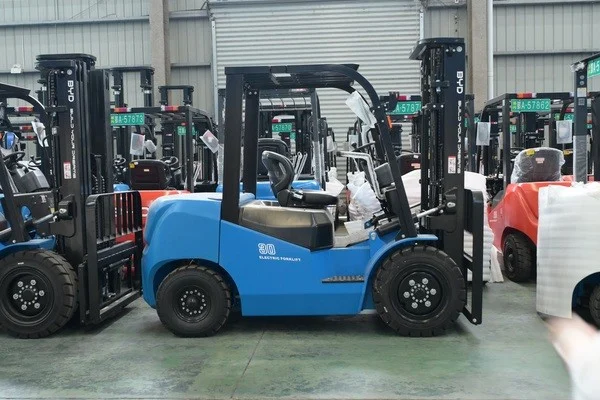
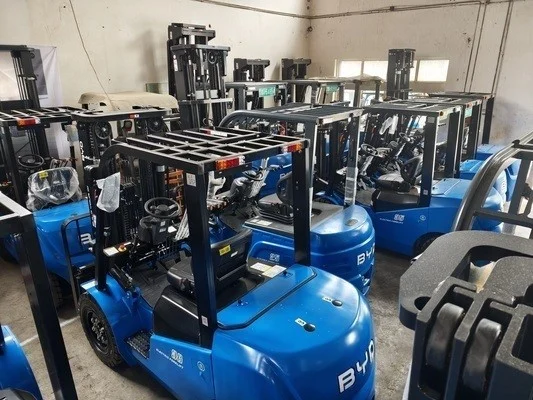
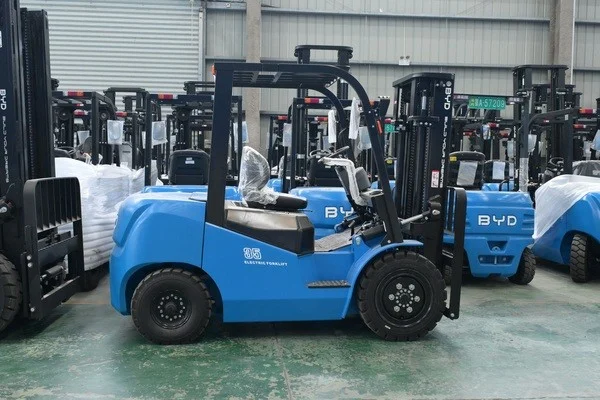
Counterbalance forklifts remain one most widely used material handling units across warehousing, construction, and logistics. Their design relies on rear-mounted weight to offset loads carried at the front forks, eliminating need for extended outriggers found on other lift designs. When selecting or engineering these units, one core relationship requires careful evaluation: the consistent tradeoff between maximum lift height and maximum load capacity. This guide explains this dynamic, outlines key factors engineers consider, and provides actionable guidance anyone selecting a unit can use.
What Drives The Tradeoff Between Lift Height And Load Capacity?
The tradeoff stems from basic physics and stability requirements tied to counterbalance forklift design. Every additional foot of mast height adds extra weight to the upper section of the truck, shifting the combined center of gravity forward. Since rear counterweight offsets forward load weight, any forward shift in center of gravity reduces the total forward load the truck can support without tipping.
Mast Design Impacts Magnitude Of The Tradeoff
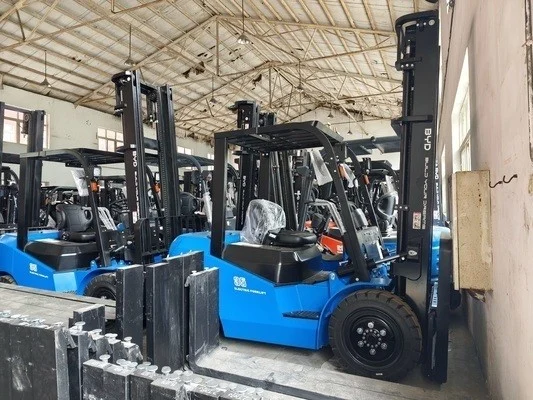
Different mast types change how much capacity drops as lift height increases. Duplex masts, common in lower lift applications, have two sections and add less overall weight to the mast assembly. Triplex masts, designed for higher lifts, add a third telescoping section that increases total mast weight, leading to steeper capacity reductions at maximum lift height. Specialty high-mast designs used in very high bay storage see even more significant capacity derating.
Core Factors Engineers Assess When Balancing Metrics
Engineers evaluating new or existing counterbalance forklifts analyze multiple factors beyond just base specifications to map this tradeoff correctly.
Stability Margin Requirements
Global workplace safety standards require counterbalance forklifts maintain a minimum stability margin under all operating conditions. A stability margin measures how far the combined center of gravity sits inside the truck’s stability triangle. As lift height increases, the center of gravity moves closer to the edge of the stability triangle. Reducing maximum allowable load weight pulls the center of gravity back inside safe limits.
Manufacturer Derating Curves
Every counterbalance forklift includes published load capacity data tied to specific lift heights. Advertised base capacity almost always applies to lower lift heights, typically under 15 feet. Once lift height exceeds this baseline, capacity drops along a pre-defined derating curve set by the original manufacturer. Engineers always reference these published curves rather than relying on base advertised capacity.
Operating Context Adjustments
Operating conditions change how the tradeoff applies. Outdoor operation on uneven ground, side loading, and attachment use all shift the center of gravity further forward, requiring additional capacity reductions at any given lift height. Engineers adjust published ratings to account for these real-world conditions before finalizing equipment selection.
Real-World Application Examples
Different use cases prioritize one metric over the other, based on daily operational needs:
General Retail Warehousing
Most retail distribution centers use racking under 20 feet high, with consistent load volumes. Operations here prioritize higher load capacity over maximum lift height, since the lower maximum lift eliminates significant capacity derating. This lets teams move more product per trip, reducing total labor time.
High-Bay 3PL Storage
Third-party logistics operations often use racking up to 30 feet or higher to maximize storage density. These operations accept lower load capacity at maximum lift height, since the storage density gain outweighs costs associated with additional trips to move the same total volume. Teams here select units sized to handle the most common load weight at their maximum required lift height, rather than focusing on base capacity.
Outdoor Construction Yards
Construction yards storing lumber, piping, and building materials often need moderate lift heights, but operate on uneven compacted ground. Uneven ground reduces overall stability, so engineers specify lower maximum load capacity even at moderate lift heights, to account for the additional stability risk.
Actionable Selection Guidance
Follow these steps to select the right counterbalance forklift matching your operational needs:
- Map your most common operational requirements, not just rare peak needs. If you only need maximum lift a handful of times annually, prioritize the capacity you need in daily work.
- Always reference the manufacturer’s full load chart, not just the base advertised capacity. Confirm the capacity at your maximum required lift height matches your typical load weight.
- Adjust ratings for your operating context. Add a 10-15% safety buffer in outdoor operation or when using non-standard attachments, to offset additional center of gravity shifts.
- Compare mast types to find the best balance. A duplex mast will deliver higher capacity at lower lift heights than a triplex mast with the same base unit weight.
Frequently Asked Questions
Can I modify a counterbalance forklift to increase maximum lift height without losing capacity?
Modifying mast components to add extra height almost always requires re-engineering rear counterweight and full stability systems. Unauthorized modifications violate most manufacturer warranties and global regulatory safety standards, so this practice is not recommended.
Do all counterbalance forklift designs see the same capacity drop at higher lift heights?
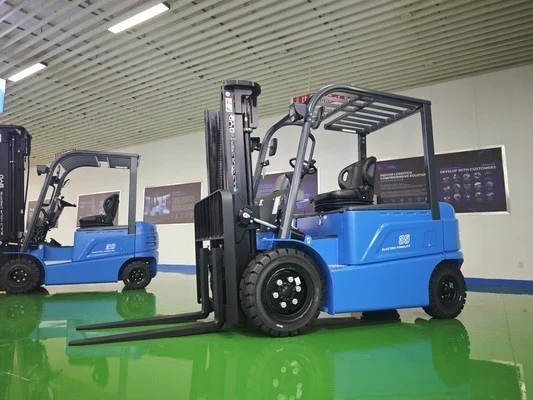
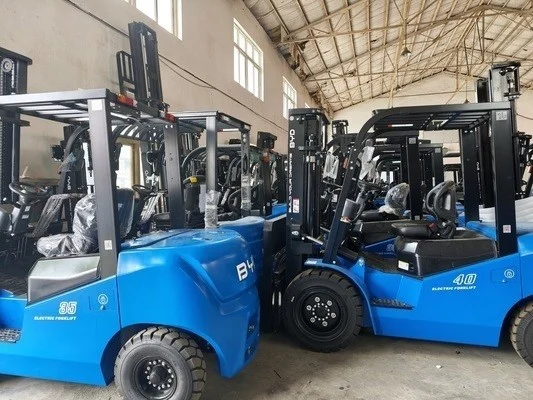
No. Electric counterbalance units often have different weight distribution than internal combustion models, leading to different derating curves. Specialty units with wider wheel bases also see smaller capacity drops than standard base units at equal lift heights.
Where can I find my counterbalance forklift’s capacity ratings across different lift heights?
All legally sold units include a load capacity chart posted directly on the truck body. Manufacturers also publish full capacity charts in official operation and maintenance manuals tied to your specific model number.
Why do engineers prioritize stability over maximum combined lift height and capacity?
Unstable counterbalance forklifts face high risk of forward tip-overs, which rank among leading causes of serious workplace incidents involving this equipment. Safety regulations require minimum stability margins that enforce the tradeoff between these two key performance metrics.
Understanding this inherent tradeoff helps operations teams select equipment that matches workflow needs, stays within safety requirements, and avoids unnecessary equipment costs. Always work with qualified equipment specialists or manufacturer representatives to confirm ratings match your specific operating context before making a purchase.