Electric Counterbalance Forklift Charging Infrastructure: Aligning Battery Duty Cycles With Shift Patterns
News 21/10/2026
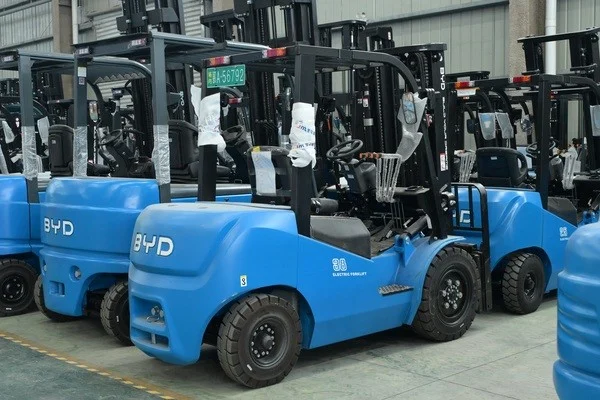
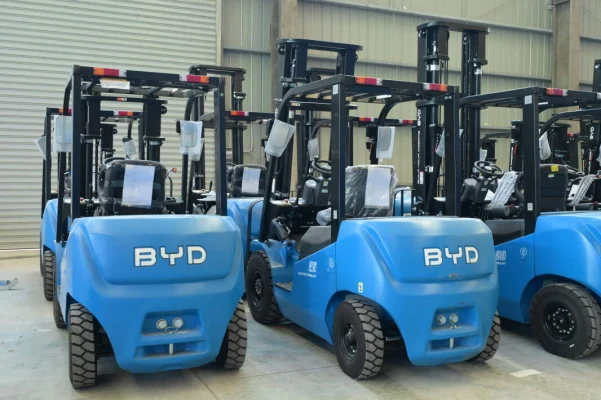
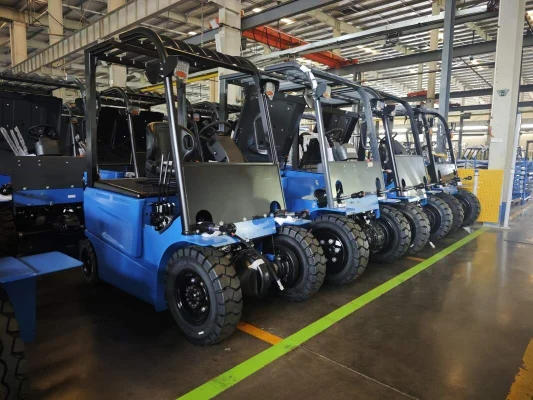
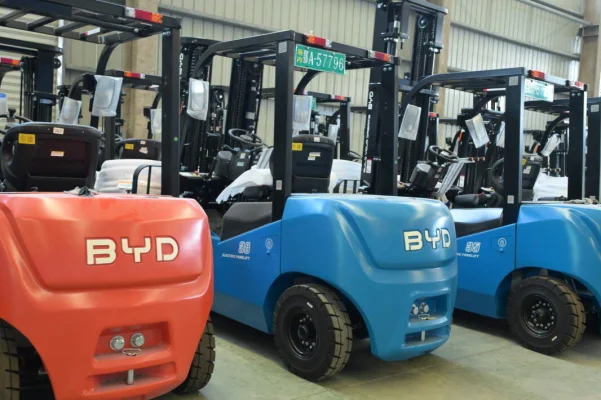
Proper charging infrastructure alignment matching battery duty cycles to your operation shift patterns keeps your four-wheel counterbalance electric forklift fleet running efficiently. This guide focuses on BYD lithium battery four-wheel counterbalance models, the only type our site offers, and breaks down key planning steps warehouse and logistics facility managers use when building out or upgrading charging setups.
Core Factors Impacting Charging and Shift Alignment
Several site-specific factors determine what charging infrastructure works best your operation. Each factor ties directly to how your forklift battery completes charge-discharge cycles across your daily shifts:
- Total daily operating hours: Sites running 24 hours across three shifts need infrastructure that eliminates extended downtime between shift changes. Operations running only one shift per day have lower requirements related to charge speed.
- Break window length between shifts: Most facilities include 15 to 30 minute gaps between shift handoffs. This window works well with opportunity charging if your battery supports fast charging. Longer gaps allow more time full recharge.
- Existing facility electrical capacity: Older buildings often have limited main grid connection capacity. Adding multiple high-power fast chargers requires preliminary assessment to avoid overloading your system.
- Battery capacity vs typical load profiles: Heavier daily loads increase battery discharge rate, which changes how much charge you need between shifts. Heavier use means more frequent top-ups or higher capacity batteries.
Lithium batteries used in modern BYD four-wheel counterbalance electric forklifts have different charging characteristics than older lead acid designs. They accept fast charging more consistently and do not require scheduled equalization charges, which opens more flexible charging configuration options matching varied shift patterns.
Charging Setup Comparison and Required Verification
Three common charging configurations fit most shift patterns. Each has distinct advantages, constraints, and items you need to confirm with your supplier before final installation.
| Charging Configuration | Best Fit Shift Pattern | Key Advantages | Items Requiring Supplier Confirmation |
|---|---|---|---|
| Full Overnight Charge | Single shift daily operations | Lower upfront investment, simpler scheduling | Full charge duration matches overnight downtime, charger output matches battery capacity |
| Opportunity Charging | Two or three shift daily operations | No extra battery units required, maintains consistent battery level across shifts | BMS supports frequent fast charging, charger compatibility with your battery model, facility electrical capacity |
| Battery Swap Station | 24/7 high throughput operations | Zero downtime during shift changes | Extra battery unit cost, available space dedicated to swap station and battery storage, trained personnel swap procedures |
Before you finalize your charging infrastructure plan, gather these data points to share with our team to get accurate guidance:
- Total number of four-wheel counterbalance electric forklifts your fleet needs
- Total daily operating hours per unit
- Length of gap periods between shift changes
- Maximum output capacity of your facility’s existing electrical service
- Available floor space near your fleet parking area
Share these details with our team to get customized configuration recommendations your BYD four-wheel counterbalance electric forklift fleet.
Frequently Asked Questions
Can frequent opportunity charging harm lithium batteries used in four-wheel counterbalance models?
Most modern lithium iron phosphate batteries from BYD include BMS designed to handle regular opportunity charging. You must confirm BMS settings and manufacturer guidance specific to your model before implementing this charging pattern. No universal rule applies all lithium battery types, so always check official documentation from your battery supplier.
Do I need dedicated space away from main work areas charging infrastructure?
Space requirements vary based on your chosen configuration. Opportunity charging lets you place chargers at each forklift’s regular parking spot, so no extra dedicated space needed beyond the parking area. Battery swap setups require separate dedicated space dedicated to storing extra batteries and completing swap procedures. Measure your available space before finalizing your configuration choice.
How do I know if my existing electrical service supports new charging stations?
You can hire a licensed electrician complete a full site assessment. The assessment will confirm your existing service can handle the added load from your new chargers. If your capacity falls short, you can plan upgrades alongside your charger installation to avoid operational issues after launch.