Electric Forklift Truck Procurement: Verifying Overload Protection and Hydraulic System Ratings Against Your Actual Load Handling Tasks
News 09/11/2026
Buying an electric forklift truck means matching two safety-critical systems to the work you actually perform: overload protection and the hydraulic circuit. Catalog sheets rarely answer the questions that matter at the quotation stage, such as how the overload limit is defined, on what load center it is based, and whether the hydraulic rating covers your heaviest attachment. This guide explains the documents and figures to request, how to read them, and what to confirm before you accept a machine.
Start With the Load Cases, Not the Nameplate
Rated capacity is a single number tied to specific conditions. Before comparing offers, list every load case the truck will handle, including the awkward ones that appear only occasionally.
- Maximum weight lifted, including pallet, packaging and any clamp or fork extension.
- Load center: the horizontal distance from the fork face to the load’s center of gravity. Long or deep loads shift this outward.
- Required lift height and whether the load is handled at height while traveling.
- Attachment weight and how it moves the combined center of gravity.
- Floor conditions, ramp gradients and aisle widths at the points where loads are picked up and set down.
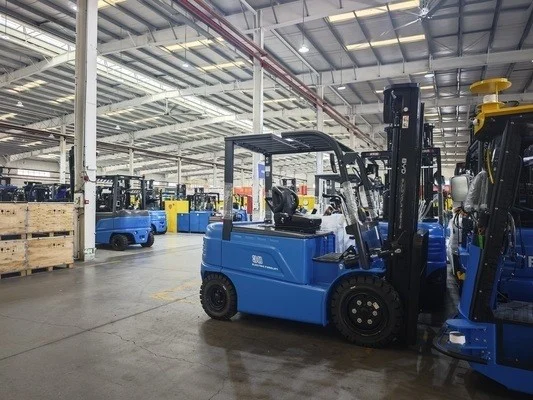
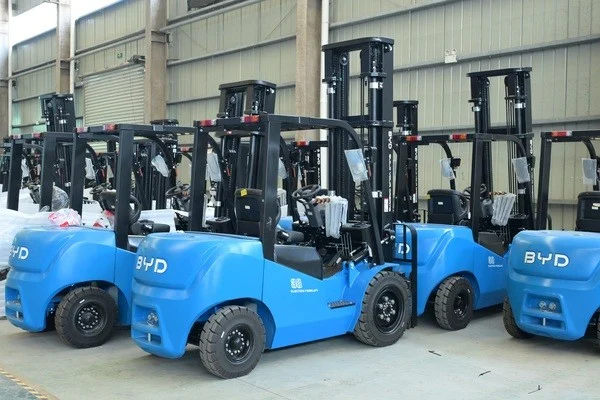
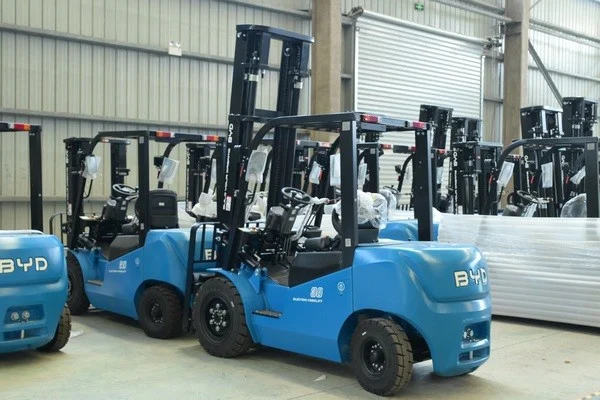
A four-wheel counterbalance electric forklift is the common general-purpose choice in factories, loading docks and warehouse transfers, but suitability still depends on these figures. Ask the supplier to confirm which load case each capacity figure refers to. A capacity stated at a short load center does not automatically apply to a longer one.
Overload Protection: What to Verify in the Specification
Overload protection is not one feature. It can include a hydraulic relief arrangement, a load-sensing limit, a stability-based capacity curve, or an electronic warning. The procurement question is which of these the machine has and how each behaves near the limit.
Capacity Derating and Load Center
Request the capacity chart or derating table that applies to the exact model and mast configuration quoted. It should show how capacity falls as load center and lift height increase. Check that your heaviest realistic load at your actual load center sits inside the chart with a margin you are comfortable with. If the chart is missing, treat the headline capacity as unverified.
Hydraulic and Structural Limits
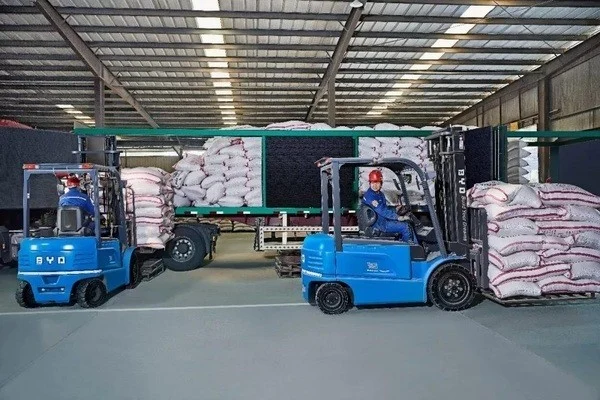
Overload protection interacts with the hydraulic system. Confirm the rated pressure of the hydraulic circuit and the settings of relief valves, and ask whether those settings are fixed at the factory or adjustable. Adjustable settings that are changed on site can invalidate the capacity assumptions, so clarify who is permitted to alter them and how changes are recorded.
Warning and Cut-Off Behavior
Ask what happens as the load approaches the limit: a visual or audible warning, a restriction on lift, or a full stop. Behavior differs between designs, and the right answer depends on your operating rules. Also ask how the system is checked during routine maintenance and whether a test procedure is supplied.
Hydraulic System Ratings to Request at Quotation
Hydraulic ratings determine whether the truck can perform your task at a sensible speed and without overheating. The following items should appear in the technical offer or be confirmed in writing.
| Item | What to confirm | Why it matters |
|---|---|---|
| System pressure rating | Rated working pressure and relief valve setting | Links lifting capability to the declared capacity |
| Flow and lift/lower speed | Rated flow and expected speeds under load | Affects cycle time and heat build-up |
| Hydraulic oil and cooling | Specified oil grade, tank volume, cooling method | Relevant to duty cycle and ambient temperature |
| Attachment circuit | Whether an extra valve section is needed and its rating | Clamps and other attachments change demand |
| Filtration and service intervals | Filter specification and inspection points | Supports contamination control and reliability |
Do not accept a single pressure figure as proof of capability. Ask how the rating was established and whether it applies to the mast and attachment combination you are buying. Where the supplier’s technical data does not cover a specific configuration, state that the figure must be confirmed rather than assumed.
Documents, Acceptance Checks and Open Questions
A practical procurement file should contain the capacity chart, hydraulic specification, maintenance schedule and a description of the overload protection logic. At acceptance, verify that the delivered configuration matches the quotation: mast type, attachment, hydraulic valve sections and any electronic limit settings. Record the serial numbers and the settings as delivered.
Questions worth resolving before signing include: who calibrates or verifies the overload system, what the warranty says about altered hydraulic settings, and what training operators receive on load limits. If you share your load weights, load center, lift height and duty cycle, a supplier can check them against the applicable capacity data and recommend a configuration. That conversation is more useful than comparing headline capacities alone.
Frequently Asked Questions
Is rated capacity the same as the overload limit?
No. Rated capacity is the load the manufacturer declares under specified conditions, usually at a defined load center and lift height. Overload protection is the system that discourages or prevents operation beyond the applicable limit. Ask how the two are linked in the model you are considering.
Can I add an attachment without changing the capacity rating?
Not safely without review. Attachments add weight and move the combined center of gravity, which affects stability and the applicable capacity. Request a revised capacity assessment from the supplier before using the truck with a new attachment.
What hydraulic data should appear in a quotation?
At minimum, the working pressure, relief valve setting, flow, specified oil, and any attachment circuit details. If these are absent, ask the supplier to add them in writing so the offer can be compared on equal terms.
How often should overload protection be checked?
Follow the manufacturer’s maintenance schedule and your site inspection routine. The schedule should state which checks apply to the overload system and hydraulic relief settings. Where the schedule is silent, ask the supplier to clarify the recommended interval and method.