Electric Forklift Sale: Site Conditions Buyers Should Confirm Before Ordering a Four-Wheel Counterbalance Truck
News 09/11/2026
An electric forklift purchase usually goes wrong at the site survey stage, not at the negotiation table. Before you commit to a four-wheel counterbalance electric forklift, confirm the conditions that determine whether a standard configuration will work or whether you need something different. This guide covers the site details buyers should document before requesting a quote, and it explains why each one matters.
Load, Lift Height, and Load Center: The Numbers You Must Have
Rated capacity is not a single figure. It depends on the load center, which is the horizontal distance from the vertical face of the forks to the center of gravity of the load. A truck rated at a given capacity at a stated load center will have a lower capacity when the load center moves outward, and lift height affects stability as well. Buyers should record:
- The heaviest load, including pallet or attachment weight, not just the product weight.
- The load dimensions and where the center of gravity sits.
- The maximum lift height needed at each work point, and whether loads are handled at height while traveling.
- Whether any attachment will be fitted, since attachments change capacity and load center.
Provide these figures to the supplier and ask them to confirm the capacity rating at your actual load center and lift height. Do not assume the headline capacity applies to your loads. If your loads are near the rated limit, ask what margin the supplier recommends and why.
Aisle, Floor, and Access Conditions That Affect Configuration
Measuring aisle width and turning space
A four-wheel counterbalance truck needs room to turn and to stack. Measure the narrowest aisle, the doorway and gate widths, and the space available at rack ends. Note any columns, bollards, or racking that reduce clearance. Share the measurements with the supplier so they can check the truck’s dimensions against your layout. If the aisles are very narrow, a counterbalance truck may not be the right choice, and the supplier should tell you rather than force a configuration that does not fit.
Floor condition and surface
Describe the floor: concrete, asphalt, expansion joints, drainage grates, uneven patches, or ramps. Note whether the surface is indoor, outdoor, or both, and whether it is wet or contaminated. Floor condition affects tire choice and the practical life of components. If the surface is poor, ask how the truck’s tires and undercarriage are specified to cope with it.
Ramps, slopes, and dock access
State the gradient and length of any ramp and whether loads are carried up or down it. Slope handling is a safety matter, and the supplier should confirm the truck’s rated slope capability against your site. Also describe dock edges, dock levelers, and trailer loading, because these affect both truck choice and operating procedure.
Power, Charging, and Daily Duty: Matching the Truck to Your Shift Pattern
Electric truck performance depends on how the site supplies and manages energy. Buyers should confirm:
- Available power supply voltage, phase, and capacity at the charging location.
- Whether charging will be opportunity charging during breaks or a single overnight charge.
- Shift length, hours of actual operation, and the number of trucks sharing the charger.
- Ambient conditions at the charging area, including temperature and ventilation.
- Whether the site has rules on battery handling, charging areas, or fire precautions.
Share your shift pattern and charging window with the supplier so they can confirm whether the proposed battery and charger setup suits your duty cycle. Ask what happens if the truck runs low mid-shift, and what the plan is. Do not accept a battery capacity figure without knowing the conditions it was measured under.
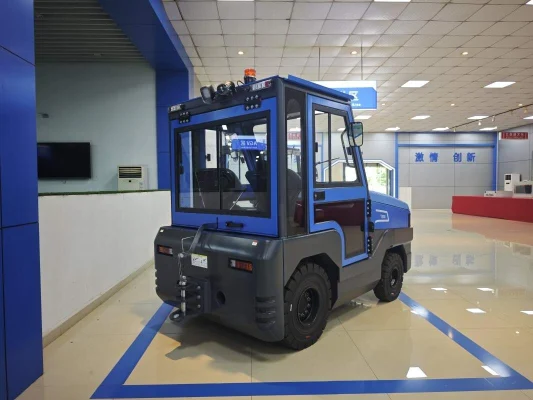
Operating environment and site rules
Note dust, humidity, cold storage, food-grade requirements, or explosive-risk areas. These conditions can change the specification significantly. Also list any site-specific requirements, such as speed limits, warning devices, or operator training rules, and ask the supplier which of these the truck can accommodate.
Documents to request with the quotation
Ask the supplier to provide the technical data sheet, the capacity chart at your load center, dimensional drawings, and the charger specification. Confirm what is included in delivery, such as commissioning, operator familiarization, and warranty terms. Ask which parameters remain to be verified on site before the order is finalized, and get those in writing.
Questions Buyers Ask Before Ordering
Can I order from a capacity figure alone?
No. Capacity depends on load center and lift height, and the truck must also fit your aisles and floor. Provide the full set of site figures and ask the supplier to confirm the match in writing.
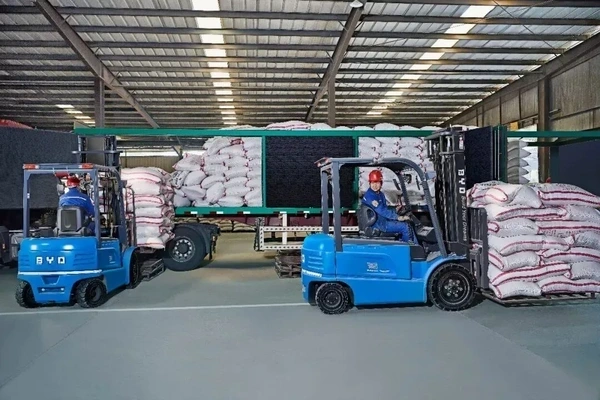
What if my aisle is too narrow for a counterbalance truck?
Tell the supplier your measurements. A four-wheel counterbalance truck may not suit very narrow aisles, and a supplier should say so rather than propose a truck that cannot turn safely.
How do I confirm the charging setup will work?
Give the supplier your power supply details, shift pattern, and charging window. Ask them to confirm the charger and battery combination suits that pattern, and to state any site preparation needed before delivery.
What should be checked at delivery?
Compare the delivered truck against the agreed data sheet and drawings, check the capacity chart matches your load center, and confirm the charger and any included items. Record any differences before signing acceptance.