Lithium-Ion Powered Industrial Electric Forklifts Available Supporting Extended Multi-Shift Warehouse and Production Operations
News 15/10/2026
Retail and ecommerce distribution centers rely on consistent material handling equipment to meet tight delivery windows and high throughput demand. Lithium-ion powered industrial electric forklifts meet needs of extended multi-shift operations, matching growing demand among buyers seeking electric forklift available in this category. This guide breaks down relevant selection points, configuration checks, and common questions specific to this industry’s unique working conditions.
Key Selection Criteria Specific to Retail & Ecommerce Distribution
Retail and ecommerce warehouses typically face high daily throughput, variable load sizes, multiple operating shifts, and frequent pallet movement across storage zones. Not all lithium-ion electric forklifts align with these demands, so buyers must narrow options based on their specific facility layout and workflow.
Forklift Type Matching to Common Warehouse Layouts
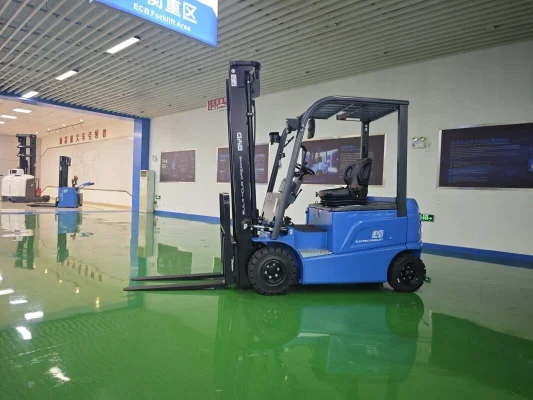
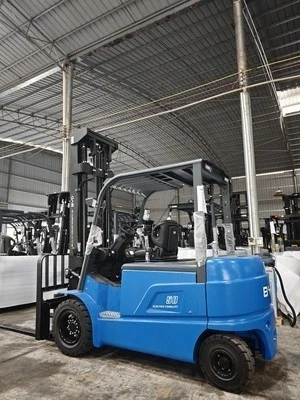
- Counterbalance forklifts: Work best in open storage areas and shipping/receiving docks, where wider aisles exist. These handle mixed load sizes common when moving full pallets from delivery trucks to staging areas. Limit use in narrow aisle high-bay storage, as turning radius requirements reduce usable storage space.
- Reach forklifts: Fit narrow aisle high-bay storage setups, common in modern ecommerce fulfillment centers that maximize vertical storage. These allow higher lifting heights to access stored inventory, supporting dense storage layouts.
- Pallet jacks: Ideal supporting horizontal movement of pallets between storage and packing areas, supporting high frequency short-distance runs common during order fulfillment shifts.
After identifying compatible forklift types, buyers must prioritize parameters directly tied to multi-shift operation, which is non-negotiable in 24/7 distribution centers. The following table summarizes key points specific to retail and ecommerce operations:
| Parameter | Retail & Ecommerce Specific Risk | Required Confirmation From Supplier | Common Optional Configurations |
|---|---|---|---|
| Battery capacity & charging capability | Downtime mid-shift directly delays order fulfillment and delivery schedules | Confirm full shift run time under your facility’s average load and temperature conditions; confirm opportunity charging compatibility | Fast charging systems, extra battery swap stations, on-board chargers |
| Aisle width requirement | Mismatched dimensions reduce available storage space or prevent access to inventory | Verify turning radius and minimum aisle width against your facility’s actual measured aisle dimensions, including clearance for racking supports | Compact frame designs, articulated steering handling tighter aisles |
| Load capacity at maximum lift height | High-bay storage often carries mixed load weights, leading to capacity issues when lifting heavy loads to upper levels | Confirm rated load capacity at your facility’s maximum required lift height and load center distance; confirm capacity with any planned attachments | Heavy-duty mast designs, reinforced fork carriages |
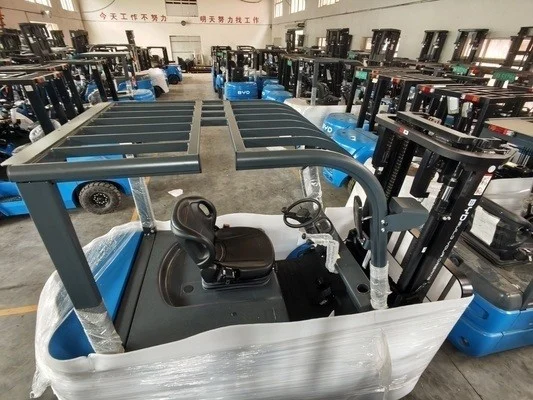
| Operator ergonomics | High operator turnover and long shift lengths lead to reduced productivity and increased fatigue related errors | Confirm cabin design fits your expected operator size range; check visibility when picking and placing loads at height | Adjustable seats, padded armrests, display screens with high visibility in low light |
Pre-Purchase Configuration Check List
Before finalizing any purchase, walk through this step-by-step check to confirm the forklift meets your facility’s unique needs:
- Map your facility’s workflow: Document average shift length, number of consecutive operating shifts, maximum load weight, maximum lift height, and minimum aisle width across all areas the forklift will operate. Share this full set of details with your supplier to avoid mismatched configuration.
- Verify battery system compatibility with your facility’s electrical infrastructure: Confirm charging requirements match available power capacity in your designated charging area. Check any facility voltage limits and confirm the charger aligns with these limits.
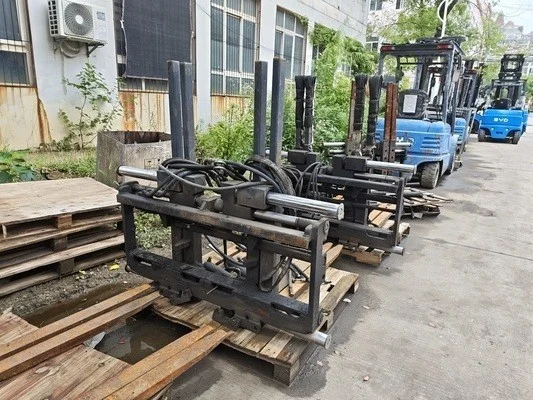
- Confirm compatibility with your existing attachments: If you plan to reuse attachments like clamp tools or fork extensions from older equipment, confirm mounting and weight compatibility with the new lithium-ion forklift frame and carriage.
- Check maintenance support access: Confirm local access to service technicians familiar with lithium-ion battery systems, as these require different maintenance steps than older lead-acid battery systems.
- Test operation inside your actual facility: Arrange a demonstration unit to test operation through a full half-shift inside your facility, to identify any clearance or maneuverability issues before taking delivery.
Many buyers new to lithium-ion forklifts overlook infrastructure requirements. Unlike lead-acid units, lithium-ion models often do not require dedicated ventilated charging rooms, but you still need to confirm space allocation and power requirements to avoid unexpected upgrades after delivery.
Frequently Asked Questions
Can lithium-ion electric forklifts handle 24/7 multi-shift operation within retail distribution centers?
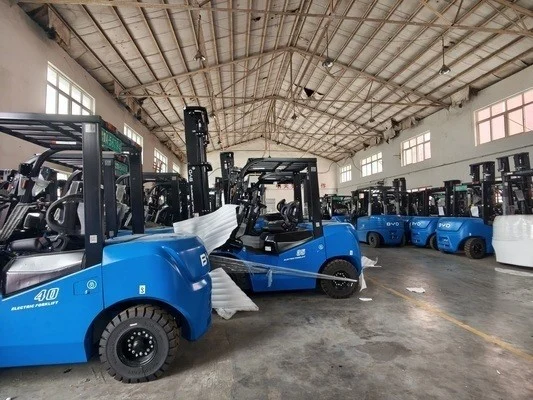
Many models support extended multi-shift operation when paired with opportunity charging or fast charging systems. Your run time depends on your specific load weights, operating frequency, and facility temperature. Always confirm expected run time under your actual working conditions with your supplier before purchase.
Do lithium-ion forklifts require more maintenance than lead-acid alternatives?
Lithium-ion battery systems eliminate many maintenance tasks tied to lead-acid batteries, such as watering and equalization charging. Overall maintenance requirements vary based on usage intensity and manufacturer design. Always request a full maintenance schedule from your supplier to plan operational costs.
What should I do if my facility has mixed narrow aisle and open dock areas?
You can either select multiple compatible forklift types matched to each zone, or choose a versatile stand-up reach forklift that works in both narrow aisles and dock areas. Test maneuverability across both types of space to confirm the unit meets needs across all your work zones.
Sourcing the right lithium-ion electric forklift supporting your retail or ecommerce distribution center depends on clear documentation of your facility’s unique working conditions. By focusing on parameters tied directly to your throughput and layout, you can avoid costly downtime and mismatched equipment that limits operational efficiency.