Electric Forklift UK Sourcing: Battery Capacity Checks When Shift Lengths Vary Across Sites
News 08/11/2026
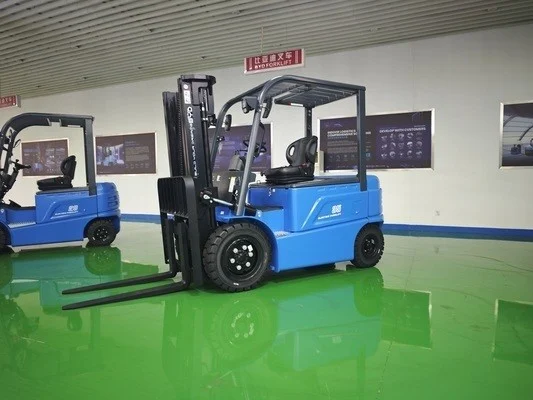
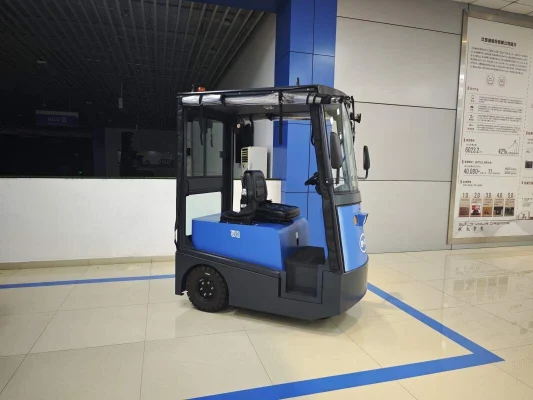
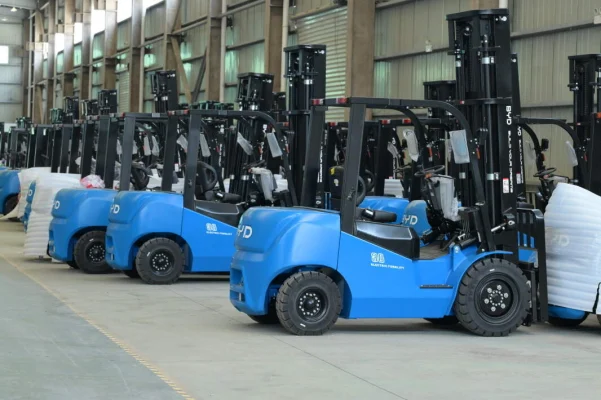
Sites rarely run identical shifts, so a battery pack sized around one depot can fall short at another. When you source an electric forklift in the UK, the practical question is not simply which pack is largest, but whether each site’s shift pattern, charging window and load profile fit the pack you plan to buy. This guide explains how to check battery capacity site by site, using the four-wheel counterbalance electric forklift as the default machine and stating clearly which figures you must obtain from the manufacturer’s technical data.
Why a Single Battery Capacity Figure Rarely Fits Every Site
Battery capacity is usually quoted in kilowatt-hours (kWh) or as a voltage and ampere-hour rating, such as 48 V and a stated Ah value. Those figures describe stored energy, not the energy a truck will actually use in a shift. Actual consumption depends on load weight, lift height, travel distance, ramp gradients, attachment use and how much time the truck spends idling. Two sites with the same truck model can therefore draw very different amounts of energy from the same pack.
Shift length adds another variable. A single eight-hour shift with a long lunch break offers a different charging opportunity from a two-shift pattern or a busy seasonal period with overtime. If one site runs a single shift and another runs extended hours, sizing both around one nominal pack capacity without checking the duty cycle is a common source of disappointment.
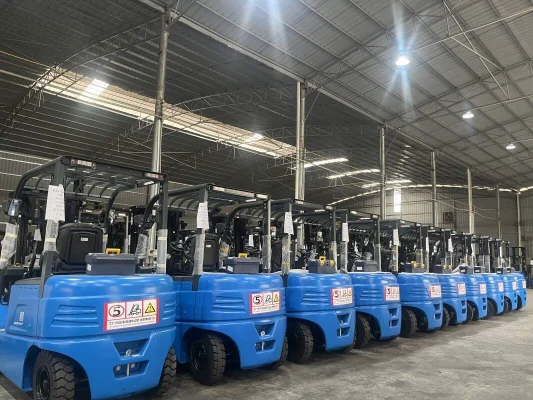
UK sourcing also brings practical questions: which charger is installed, what power supply the building can support, where charging takes place, and whether opportunity charging during breaks is realistic. These are site-specific facts. Confirm them before treating any capacity figure as adequate.
Gather These Site Inputs Before Comparing Battery Options
A useful capacity check starts with a short data collection exercise at each site. The aim is to describe the work the truck will do, not to guess a number. The table below lists the inputs worth confirming and why each matters.
| Input | Why it affects battery capacity |
|---|---|
| Shift pattern and break times | Determines how long the truck works between charging opportunities and whether a single pack can cover the day. |
| Average and peak loads | Heavier loads generally demand more energy to lift and move; peak loads show the upper end of the duty. |
| Lift height and lift frequency | Lifting is energy-intensive; frequent lifts to high racks increase consumption compared with low-level handling. |
| Travel distance and route | Longer routes and repeated trips add energy use; layout changes can shift consumption over time. |
| Ramps and floor conditions | Gradients and rough surfaces increase effort; confirm the actual site conditions rather than assuming a flat floor. |
| Attachments | Hydraulic attachments add load to the hydraulic system and can change energy demand. |
| Charging window and charger | Available charging time and charger output determine how much energy can be restored between shifts. |
| Ambient conditions | Very cold or very hot environments can affect battery behaviour; check the manufacturer’s guidance. |
Record these inputs separately site by site. A shared spreadsheet with one column per site makes differences visible and prevents one site’s assumptions from being applied elsewhere.
Turning Shift Lengths and Duty Cycles into a Capacity Check
Once the inputs are collected, the check follows a simple sequence. It does not require a laboratory; it requires honest site data and the manufacturer’s published figures.
Step 1: Describe the duty cycle in hours and intensity
Write down the effective working time between charging opportunities, not just the length of the shift. A shift with long breaks may allow opportunity charging; a continuous shift may not. Note whether the work is light, moderate or heavy based on load, lift height and travel. Avoid labelling a site “heavy duty” without evidence; use the recorded figures.
Step 2: Obtain the truck’s energy consumption data
Ask the manufacturer or supplier what energy consumption figures they publish for the specific model and configuration you are considering. Consumption varies with duty, so a single number may not apply to every site. Where only limited data is available, ask what test conditions the figures assume and how they relate to your site’s loads and lift heights. Do not invent a consumption rate to fill a gap.
Step 3: Compare usable energy with expected demand
Multiply the expected energy demand per shift by a sensible margin that reflects uncertainty in the duty data. Then compare that figure with the usable energy the proposed pack can deliver between charges, allowing for the depth of discharge the manufacturer permits and any capacity derating they specify. If the comparison is close, the site needs either a larger pack, a charging opportunity during the shift, or a review of the duty assumptions.
Step 4: Check the charging plan against the site’s power supply
Confirm the charger type, its power requirement and whether the building’s electrical supply can support it. A pack that fits the duty cycle but cannot be recharged within the available window is not a practical fit. Also confirm where charging will take place and whether ventilation, floor marking and cable management are suitable.
Step 5: Recheck seasonal and peak variations
A site that runs longer hours at peak season may need a different plan from its baseline. Ask whether the same truck will cover peak periods and whether temporary charging arrangements are possible.
Applying the Check Across Multiple UK Sites
When several sites share a purchasing decision, the goal is a configuration that each site can live with, not necessarily one identical specification everywhere. A few practical approaches help.
- Group sites by duty profile. Sites with similar shift lengths, loads and lift heights can often share a specification; outliers should be assessed separately.
- Identify the limiting site. The site with the longest effective working time or heaviest duty sets the minimum capacity that the fleet plan must satisfy, unless that site can use opportunity charging.
- Keep assumptions visible. Document the inputs and the manufacturer’s figures used in each comparison so that a later change in shift pattern can be reviewed against the original basis.
- Confirm what the supplier will verify. Ask which parameters they need before recommending a configuration, and which figures come from published technical data rather than estimation.
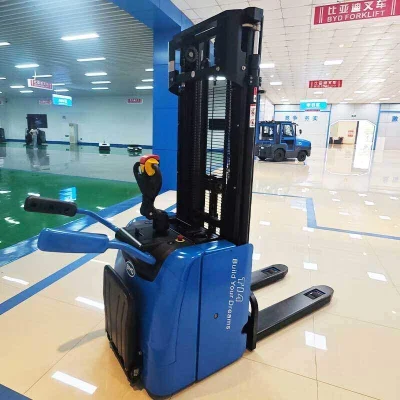
For a four-wheel counterbalance electric forklift used in general warehouse and loading work, this site-by-site check is usually more valuable than a single headline capacity number. Where a site’s duty is genuinely light and its charging window generous, a smaller pack may be adequate; where duty is heavy and continuous, the check will show that clearly.
If you are sourcing in the UK and want to discuss configuration, share each site’s shift pattern, typical loads, lift heights, aisle and floor conditions, ramp details and charging arrangements. Those details allow a grounded discussion of比亚迪 four-wheel counterbalance electric forklift options and the parameters that still need confirmation from technical data.
Frequently Asked Questions
Does a longer shift always require a larger battery?
Not automatically. A longer shift with scheduled breaks may allow opportunity charging that covers the extra hours. The decision depends on effective working time, charging window and duty intensity together, not shift length alone.
Can I compare battery capacity using only the kWh figure?
The kWh figure is a starting point, but it does not describe how much energy your site will use. Compare it with a realistic duty-cycle estimate and confirm the usable capacity and any derating conditions the manufacturer specifies.
What if one site has a much heavier duty cycle than the others?
Assess that site separately. It may need a different pack, a charging opportunity during the shift, or a review of how the work is organised. Applying the heaviest site’s requirement to every site can add unnecessary cost, while applying a lighter site’s specification to the heavy site can cause shortfalls.
Which charging details should I confirm before ordering?
Confirm the charger type and output, the electrical supply available, the time window when charging can take place, and where the charger will be located. These details determine whether the chosen pack can be restored between shifts.