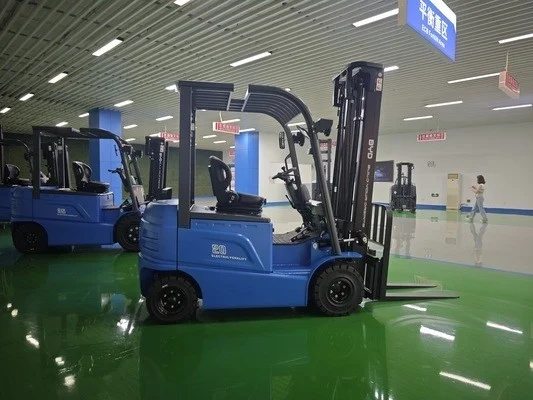
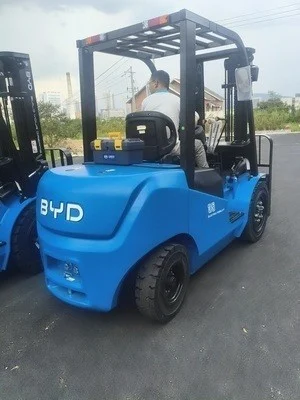
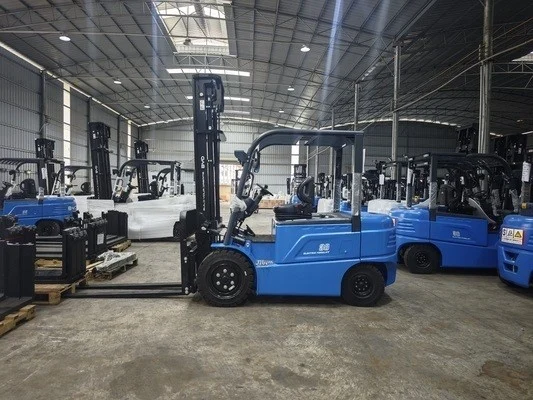
Correct Tire Selection Matching Your Electric Forklift UK Work Site Conditions
News 15/10/2026
Manufacturing intra-logistics operations across the UK rely on electric forklifts to move materials between production lines, storage areas and loading bays. Choosing the correct matching tire directly impacts operational safety, downtime and overall productivity. Below we break down available options, key selection criteria and common questions specific to this industry.
Common Tire Types Matching Manufacturing Intra-Logistics Conditions
Cushion Tires
Manufacturing intra-logistics sites typically feature smooth, hard concrete floors inside production facilities. Cushion tires fit this environment perfectly. Their compact design lets electric forklifts navigate narrower aisles common between production lines and storage zones. Limitations include poor traction on wet or uneven ground, so they do not work well if your forklift travels outside the plant onto gravel or tarmac yards.
Solid Pneumatic Tires
Solid pneumatic tires serve operations that require forklifts move between indoor production areas and outdoor storage yards. Their thicker, treaded design delivers better traction on uneven or wet surfaces. They also resist punctures from sharp debris common around manufacturing work zones, such as metal scrap or construction nails. Compared to cushion tires, they require more clearance space, so they may not fit smaller electric forklift models engineered to navigate very narrow aisles.
Air-Filled Pneumatic Tires
Air-filled pneumatic tires offer the best traction on rough outdoor ground. They also absorb more vibration to improve operator comfort during long shifts. The main tradeoff is higher puncture risk, so they are not ideal on sites with large amounts of loose sharp debris. Many manufacturing operations limit this tire type to forklifts that work exclusively outside the plant.
Key Selection Parameters Your Manufacturing Site Requires
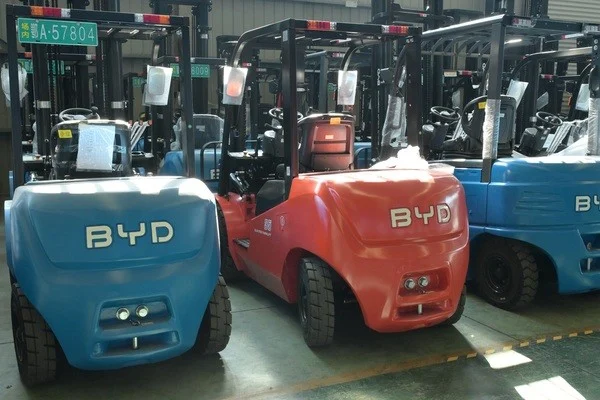
The following table outlines key factors you need to evaluate before selecting tires your electric forklift uses:
| Parameter | Site-Specific Risk | Pre-Purchase Check | Common Configuration |
|---|---|---|---|
| Tire Load Rating | Overloaded tires wear prematurely and create safety hazards when moving heavy production components | Match rating to your electric forklift’s maximum rated load plus any additional weight from attachments | Standard load ratings match most factory forklift capacities; confirm custom ratings when using heavy attachments |
| Overall Tire Diameter/Width | Incorrect dimensions reduce clearance, affect turning radius, and damage axle components | Cross-check dimensions against your forklift manufacturer’s official specifications | Stock dimensions match most standard models; custom sizing is required when you operate modified lift trucks |
| Traction Compound | Hard compounds wear faster on wet or abrasive concrete; soft compounds leave marks on clean production floors | Confirm compound type matches your floor condition and cleanliness requirements | Non-marking compounds are optional within clean room production areas; standard compounds work well across general manufacturing zones |
| Puncture Resistance | Sharp manufacturing debris causes unplanned downtime from flat tires | Ask your supplier to confirm puncture resistance rating matches your site debris level | Solid tires offer built-in puncture protection; air-filled tires require optional puncture-sealant liners |
After selecting tire type and confirming parameters, you also need to check your site’s operating temperature range. Extreme cold in unheated UK winter storage areas can change rubber hardness, reducing traction and shortening tire life. Confirm your chosen tire rubber compound performs within your site’s minimum and maximum operating temperatures before ordering.
Frequently Asked Questions
Can I mix cushion and solid pneumatic tires on my electric forklift?
Mixing tire types creates uneven weight distribution, which affects steering stability and accelerates wear on axle and suspension components. Most manufacturers recommend matching all four tires to the same type and specification to maintain safe operation.
Do non-marking tires carry a price premium?
Non-marking tires typically carry a price premium due to their specialized rubber compound. They remain a popular option among manufacturing facilities with clean finished product areas, as they prevent unsightly rubber marks on concrete floors.
What tire pressure do I need to maintain on air-filled pneumatic tires?
Always follow your electric forklift manufacturer’s recommended pressure range printed on the vehicle tire placard. Incorrect pressure increases wear and reduces load capacity. Check pressure regularly per your site maintenance schedule.
Before placing your order, compile all relevant site data: floor type, typical operating areas (indoor only, mixed indoor/outdoor, outdoor only), maximum load your forklift carries, any temperature extremes your site experiences, and cleanliness requirements. Share this information with your tire supplier to confirm you get the correct matching product your operation needs.