Evaluating BYD Electric Forklift Compatibility with Existing Automated Intralogistics Systems
News 14/10/2026
Core Compatibility Dimensions to Assess
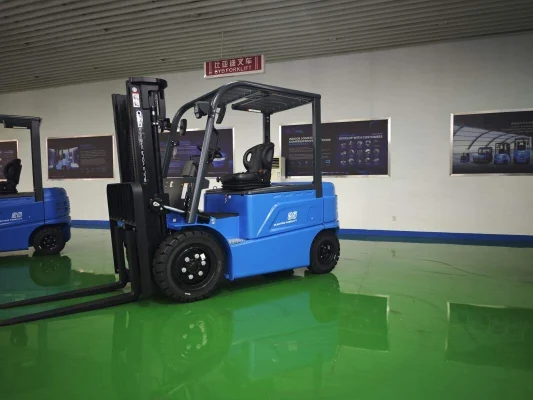
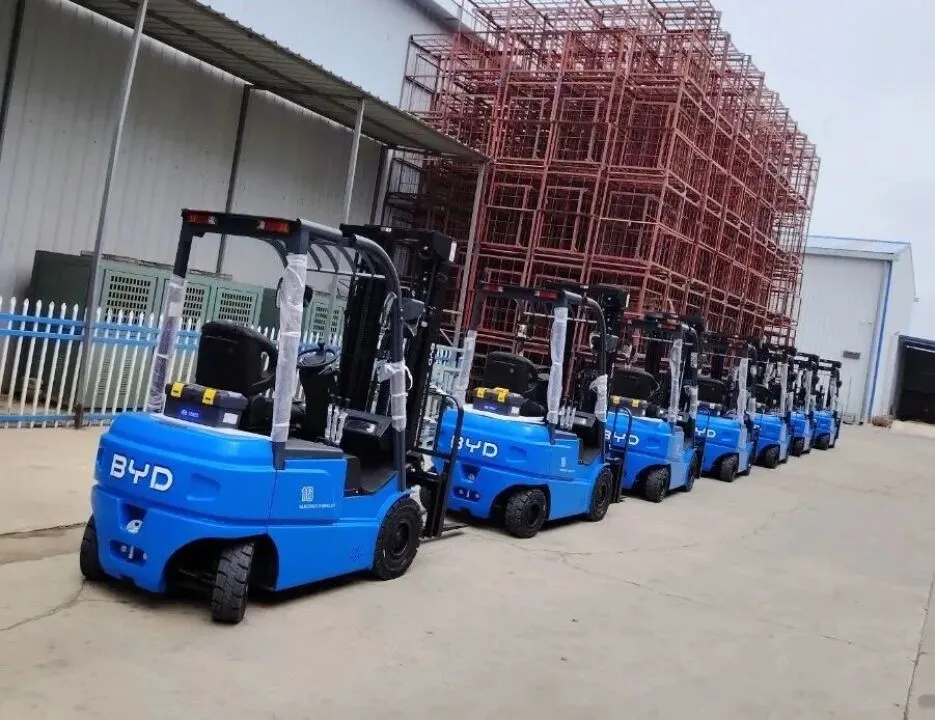
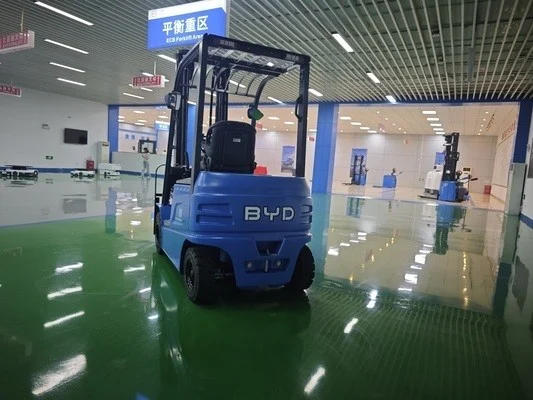
Evaluating BYD electric forklift compatibility with existing automated intralogistics systems requires clear, structured assessment of multiple functional and physical factors before any integration work begins. When integrating any new lift truck into an existing automated intralogistics setup, you must map functional requirements first. BYD electric forklifts come in multiple configurations, ranging from manual pedestrian models to fully automated guided vehicle (AGV) variants. Only BYD’s AGV-ready models support direct integration into fully automated systems. Standard operator-driven models require additional retrofitting to connect to central system controls.
Many facilities with existing automated intralogistics systems add new material handling equipment to expand capacity, replace aging units, or adapt to shifting operational workflows. Integration teams often skip initial categorization of operational needs, leading to costly mispurchases that require rework after delivery. Your first assessment step should separate your system needs into two categories: fully automated operation, or mixed operation combining human and automated tasks. This narrows your eligible BYD model options early and avoids wasted assessment work on incompatible units.
Communication Protocol Alignment
Communication Protocol and Data Mapping
BYD’s automated material handling product lines support several widely used industrial communication protocols, including Modbus TCP/IP, Ethernet/IP, and PROFINET. These match most modern intralogistics system setups. Older legacy systems often run proprietary protocols that do not match BYD’s default configuration. Third-party middleware can bridge many gaps, but this adds cost and potential latency to system operations.
Most BYD automated models expose open API endpoints that allow custom data exchange between the forklift and your warehouse management system. Available data points include battery charge level, current location, load status, and error codes. You must map these data points to your system’s existing data structure to avoid communication breakdowns. Unmapped data can cause incorrect task assignment or missed maintenance alerts across your entire intralogistics network.
Physical and Infrastructure Integration Checks
Dimensional and Maneuverability Matching
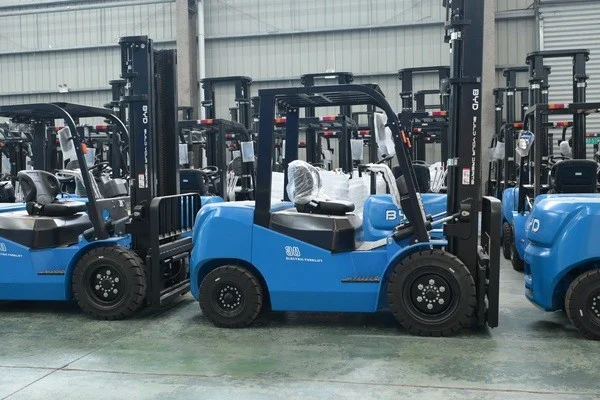
Your existing intralogistics system’s aisle width, turning radius requirements, and racking layout set clear constraints on forklift selection. BYD electric forklifts have varying dimensions across load capacity classes. A 1.5 ton counterbalance BYD electric forklift requires wider aisles than a 1 ton reach model designed to serve narrow aisle storage.
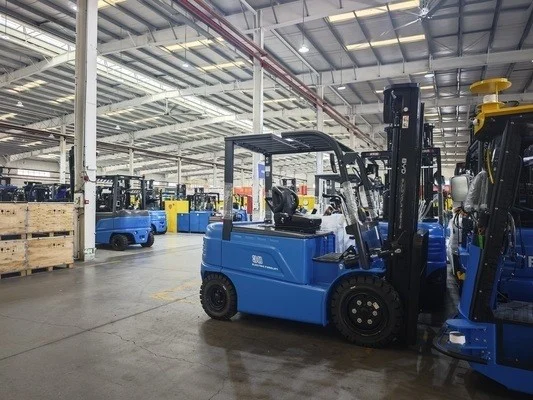
Confirm your selected forklift’s physical specs match your facility’s existing layout to avoid operational interference with automated conveyors, sorting systems, or other fixed automated equipment. Many automated intralogistics systems are built with fixed clearance parameters every on-floor equipment must meet to maintain uninterrupted flow. Even small dimensional mismatches can cause repeated collisions or blockages that reduce overall system efficiency. Intermittent delays from repeated small maneuvers around mismatched equipment can add up to significant daily productivity losses over time, even when no full collision occurs.
Power and Charging Compatibility
All BYD electric forklifts rely on on-board lithium iron phosphate (LFP) batteries. Many models support opportunity charging, which fits well into most existing intralogistics charging schedules. Opportunity charging allows teams to top up battery levels during short breaks between tasks, rather than requiring full, lengthy out-of-service charging sessions. This aligns with continuous operation schedules common to automated intralogistics environments, which often run multiple shifts daily. Check your facility’s power output matches the charger’s required rating. Older facility wiring may need upgrades to handle continuous charging demands across multiple units, which adds unplanned cost to integration projects. You must also confirm charging station placement fits your existing layout without interfering with automated vehicle paths or storage access.
Key Limitations and Risk Factors
Even when protocols and physical specs align, several common issues can disrupt integration projects. BYD updates its product line software regularly, and newer model firmware may not match older intralogistics system versions. Software version mismatches can cause intermittent communication drops that are difficult to diagnose and resolve.
Another key limitation involves safety system integration. BYD forklifts include built-in obstacle detection and emergency stop features, but these must align with your intralogistics system’s overall safety logic. Mismatched safety triggers can cause unnecessary full system shutdowns or leave unaddressed hazards in your work area.
Custom retrofits of non-automated BYD models void most standard product warranties, so you must confirm warranty terms with your distributor before modifying any unit. Warranty issues are among the most commonly overlooked integration risks, especially when facilities work with third-party teams that do not coordinate directly with authorized BYD distributors. Unofficial modifications can also leave you without access to official BYD software updates and support, creating additional long-term operational risks. Many distributors offer pre-configured semi-automated models that retain full warranty coverage, making these ideal options supporting mixed operation setups.
Frequently Asked Questions
Can BYD electric forklifts connect to third-party warehouse management systems?
Most automated BYD electric forklift models support open API connections to third-party WMS platforms. You will need to map your system data structure to BYD’s available data points to complete successful integration. Confirm protocol support with your local BYD distributor before starting any integration work.
Do non-automated BYD electric forklifts work with semi-automated intralogistics systems?
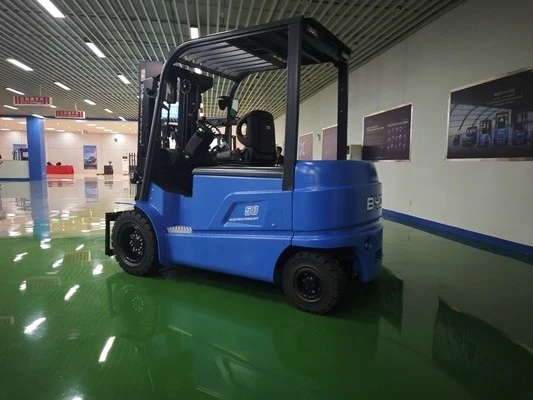
Non-automated BYD models work well in semi-automated setups that combine human operated equipment with automated systems. They require no special connection to central controls, as operators handle task assignment directly. Full integration into fully automated systems requires AGV-ready models or custom retrofits.
What costs come with resolving compatibility gaps?
Cost varies based on gap type. Protocol mismatches may require middleware licensing and custom development work. Physical layout adjustments may involve facility modification or reconfiguration of existing automated equipment. Always get a detailed quote from your integration partner before starting work.