Addressing Common Load Capacity Misconceptions Surrounding Electric Forklift UK Units
News 18/10/2026
When sourcing electric forklift units UK, many operations base purchasing decisions on incorrect assumptions about rated load capacity. These misconceptions lead to overloaded machines, premature component wear, safety risks and wasted budget on units larger than your operation actually needs. Below we break down the most common myths, outline key factors that impact real usable load, and share actionable checks you can complete before purchasing a new unit.
Top Three Widespread Load Capacity Misconceptions
Misconception 1: Rated Load Equals Usable Load Under All Conditions
Rated load capacity printed on a forklift nameplate reflects testing under controlled factory conditions. Any change to operating context reduces the maximum safe load you can carry. Common changes include non-standard load centers, extended lift heights, attached accessories and uneven ground. All these factors alter the machine’s center of gravity and shift the safe load limit downward.
Misconception 2: Higher Capacity Units Always Deliver Better Value
Many UK operations overbuy higher capacity electric forklifts “just in case” extra load handling needs arise. Larger capacity units carry higher upfront purchase costs, higher energy consumption and require wider aisle access within your facility. This wastes valuable storage space and increases long-term running costs, even if you never use the extra capacity.
Misconception 3: Electric Forklifts Have Lower Load Limits Than Diesel Alternatives
Modern electric forklift designs match or exceed diesel and LPG forklift load ratings across most common capacity ranges. Battery technology and counterbalance design improvements eliminate historic load limitations once associated with early electric models. The maximum load limit depends far more on the machine’s size, counterbalance configuration and wheelbase than its power source.
Key Factors That Change Actual Load Capacity
| Factor | Industry Impact (UK Warehousing/Logistics) | Required Pre-Purchase Check | Configuration Notes |
|---|---|---|---|
| Lift Height | Higher lift heights common in high-bay storage reduce maximum safe load | Ask supplier to share load curve data matching your maximum required lift height | Reduced capacity at full lift is standard across all machine types |
| Load Center Distance | Non-standard pallets or oversized loads shift load center away from the machine | Measure your average and maximum load center distance before comparing models | Most nameplate ratings use 500mm or 600mm load centers; match your calculation to your own measurements |
| Attached Accessories | Side shifters, fork positioners and clamps add weight to the front of the machine | Calculate accessory weight and subtract this from the rated load to get your usable capacity | Some suppliers offer adjusted capacity ratings when accessories leave the factory |
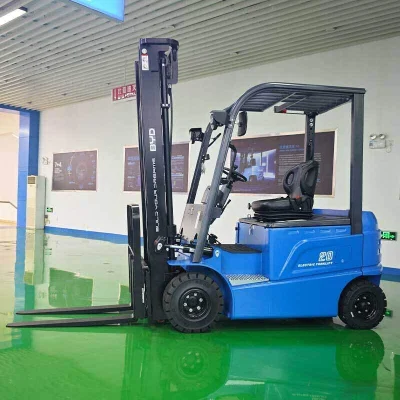
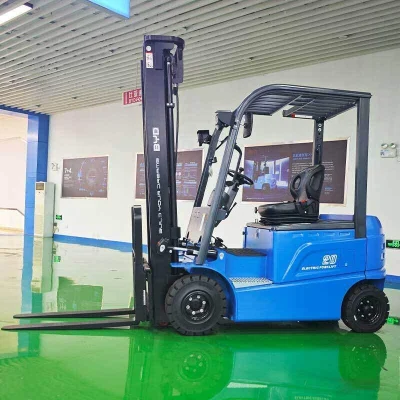
| Counterbalance Design | Three-wheel electric models offer tighter turning but often carry lower maximum load than four-wheel alternatives | Verify counterbalance weight matches your required load under your most common operating conditions | Stand-up rider models also carry different load limits than sit-down models |
Sloped or uneven ground also impacts load capacity, especially within outdoor operations at UK logistics yards. A slope shifts the machine’s center of gravity forward, reducing the maximum safe load you can carry when traveling uphill with loaded forks. If your operation uses electric forklifts on outdoor surfaces, confirm your supplier tests load capacity under matching ground conditions.
Actionable Pre-Purchase Load Capacity Checks
Follow these steps to confirm an electric forklift matches your operation needs before completing your purchase:
- Map all your common load types, including maximum weight, average load center distance and maximum lift height you regularly use
- Document your facility constraints, including aisle width, ground condition and any outdoor operation requirements
- List all accessories you need to fit, and ask the supplier to provide an adjusted safe load rating including these accessories
- Cross-check the adjusted load rating against your maximum expected load, add a 10-15% safety buffer based on your operational variability
- Request full load curve documentation from the supplier that matches your exact lift height requirements
This process ensures you do not under or overbuy capacity. It also creates a clear paper trail you can use to compare multiple offers from different UK suppliers. Correct load matching keeps your operation safe, cuts unnecessary costs and ensures your machine delivers reliable service across its working life.
Frequently Asked Questions
Does cold weather impact electric forklift load capacity during UK winter conditions?
Cold temperatures reduce available battery output, which can impact lifting performance even if the machine’s mechanical load rating remains unchanged. If you operate your electric forklift in unheated warehouses or outdoor sites during winter, confirm your battery and BMS configuration supports your local minimum temperature ranges. Always ask suppliers to confirm performance specifications matching your expected operating temperatures.
Can I increase an electric forklift load capacity after purchase?
Altering counterbalance or modifying the machine’s frame to increase capacity creates significant safety risks, and most UK safety regulations prohibit unapproved modifications. The only safe way to increase available capacity after purchase is to remove unnecessary front-mounted accessories that add extra dead weight to the machine.
Do UK safety regulations require clear load capacity documentation on site?
All forklifts operating within UK workplaces must display a clearly visible nameplate with the manufacturer’s rated load capacity. You must keep any adjusted capacity documentation on site if you add new accessories that change the machine’s safe load limit. Review current Health and Safety Executive guidance to confirm your site meets all applicable requirements.
Do counterbalance electric forklifts offer higher load capacity than reach trucks?
Counterbalance models typically offer higher maximum load capacity than reach trucks designed for high-bay storage, but this depends entirely on the specific model and configuration. Reach trucks also work well in narrower aisles, which makes them ideal for high-density storage even with lower per-load capacity. Always align the machine type with your facility layout and load requirements, rather than relying on generic class comparisons.