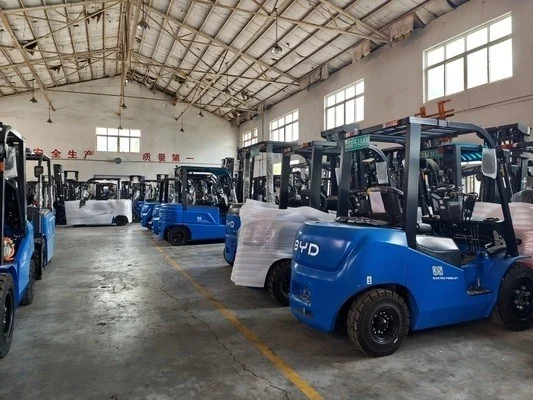
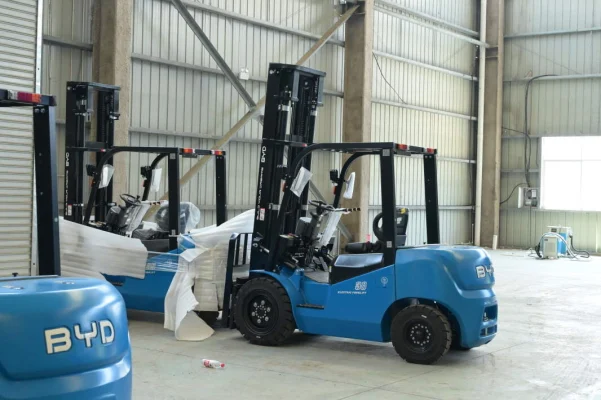
Evaluating Load Capacity Derating In 2 ton electric forklift Operated At Maximum Lift Heights
News 06/10/2026
Many operators and fleet owners assume a 2 ton electric forklift can lift 2 tons regardless of lift height. This common misconception creates serious safety risks and premature equipment wear. Load capacity derating refers to intentional reduction in maximum safe load weight as lift height increases, a design parameter built into every forklift model. Understanding how this works helps you operate safely, avoid accidents and select the right equipment your operation needs.
What Is Load Capacity Derating On Forklifts
Load capacity derating accounts for changes in forklift stability as lift height increases. All forklifts rely on a counterbalance design to offset load weight at the front of the machine. As the load rises higher, its center of gravity shifts forward and upward, reducing the machine’s stability margin. To maintain safe operation, manufacturers lower the maximum allowed load weight at higher lift heights. This reduction is what we call load capacity derating.
Core Principles Behind Derating
The base rated capacity of a 2 ton electric forklift applies only when the load is lifted to a standard low height, typically around 1 to 2 meters, with a standard load center distance. As lift height increases, the leverage created by the elevated load pulls the machine’s center of gravity past the safe stability envelope. Derating adjusts the maximum allowed load weight to keep the center of gravity within this safe envelope.
How Maximum Lift Height Impacts 2 ton electric forklift Capacity
Every 2 ton electric forklift model experiences some level of derating at maximum lift height. The exact amount of reduction varies based on several design factors related to the machine’s build and mast type.
Typical Derating Patterns On 2 ton electric forklift
Exact derating values always come from the original equipment manufacturer (OEM) design specifications. Most 2 ton electric forklift models see gradual capacity reduction as lift height climbs, with the most significant drop occurring within the final 1 to 2 meters of full mast extension. Multi-stage masts, common on models with maximum lift heights above 4 meters, experience more aggressive derating than single-stage masts, because the extending mast structure shifts the load’s center of gravity further forward as it rises.
Three-wheel electric forklifts also often see slightly higher derating at maximum lift heights compared to four-wheel models, due to a narrower base footprint that changes the overall stability envelope.
Realistic Application Scenarios
Derating matters most in common daily operations that require lifting loads close to maximum capacity at full lift height. Three of the most common scenarios include:
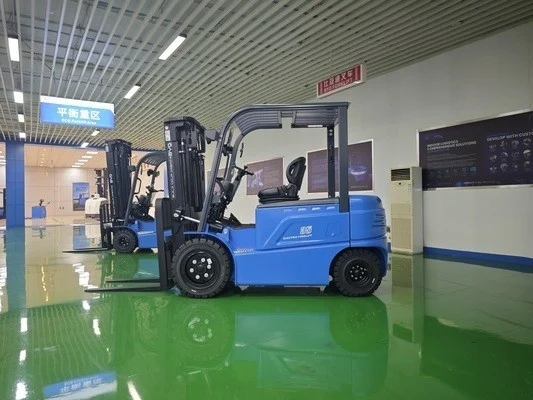
High-bay warehouse racking: Modern warehouses often install 5 to 6 meter high racking systems to increase storage density. Operations moving full pallets to top rack levels with a 2 ton electric forklift must account for derating before loading. A 1900 kg pallet that falls just under the base 2 ton rating may exceed the derated capacity at 5.5 meters lift height, creating a tip-over risk.
Outdoor elevated material handling: Construction sites and landscape projects often require lifting heavy building materials to elevated work areas. Uneven ground adds additional stability stress that amplifies derating impacts, even when load weight stays within the stated derated capacity.
Overheight dock loading: When loading stacked crates or cargo into high-sided trailers above standard dock height, derating applies even if total load weight falls below the forklift’s base rated capacity.
Key Selection And Operation Guidance
Following these practical steps ensures you stay within safe capacity limits when operating a 2 ton electric forklift at maximum lift heights.
Check OEM Documentation Before Every Job
Every forklift includes an official load capacity chart mounted near the operator station, which lists exact derated capacity values for every achievable lift height. Always confirm the maximum safe load weight for your target lift height before moving any load.
Adjust Load Weight To Match Lift Height
If your target lift height corresponds to a 1.7 ton derated capacity, split oversized loads into smaller shipments instead of attempting to lift the full 2 ton weight. This simple step eliminates most tip-over and equipment damage risks.
Add Extra Safety Margin For Variable Conditions
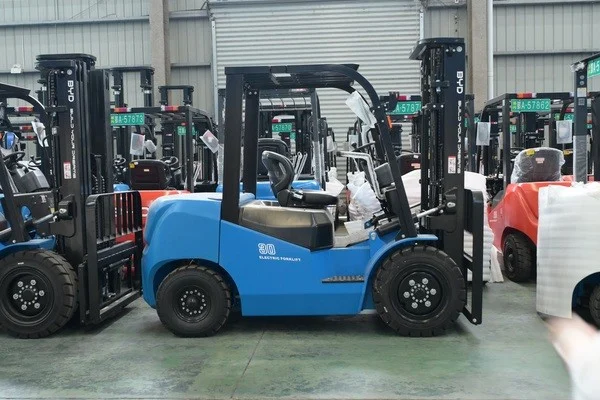
Factors including worn tires, underinflated tires, uneven ground, extended load centers and long fork lengths all increase effective derating. Add an extra 10 to 15 percent safety margin beyond the stated derated capacity when working under non-ideal conditions.
Know When To Select A Higher Base Capacity Model
If your daily operation regularly requires lifting loads near 2 tons at maximum lift height, choose a model with a 2.5 ton base rated capacity. After derating at maximum height, this model will still support the 2 ton load you need, with a sufficient safety margin.
Common Limitations To Note
Derating applies to all 2 ton electric forklift models, regardless of brand, price or power configuration. Two common misconceptions lead to dangerous operation:
First, added counterbalance weight does not eliminate derating. Even with extra rear weight, rising load shifts the center of gravity upward and forward, so derating still applies.
Second, electric forklifts follow the same core stability rules as internal combustion models. Derating patterns are nearly identical, only base capacity values differ between models.
Frequently Asked Questions
Does every 2 ton electric forklift have the same derating value at maximum lift height?
No. Derating values depend on mast design, counterbalance weight, overall chassis size and manufacturer specifications. Always check your model’s official capacity chart for accurate numbers.
Can I ignore derating if I only lift to maximum height occasionally?
Even occasional overloading at maximum lift height creates significant safety risks, including tip-over and permanent mast damage. Global safety standards require operators follow derating guidelines all times.
How do I find the derating chart for my 2 ton electric forklift?
The capacity chart is usually mounted directly on the forklift chassis near the operator station. You can also get an official copy from the equipment manufacturer or authorized dealer if the original chart is damaged or lost.
Does tire condition affect derating on my 2 ton electric forklift?
Worn or underinflated tires change the forklift’s center of gravity and stability envelope, which increases effective load capacity reduction at maximum lift heights. Regular tire maintenance helps maintain stated derating values.
Evaluating load capacity derating is a critical part safe operation any 2 ton electric forklift working at maximum lift heights. Understanding how lift height impacts stability, checking official manufacturer guidelines and adjusting load weights accordingly prevents accidents, extends equipment service life and ensures consistent reliable operation. When selecting a new 2 ton electric forklift matching your operation needs, factor derating into your capacity calculations early to avoid purchasing equipment that cannot meet your daily work requirements.