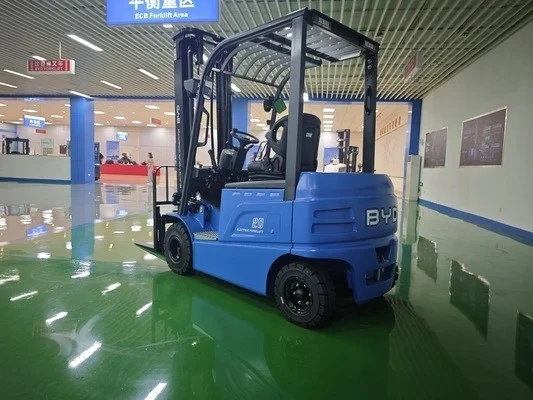
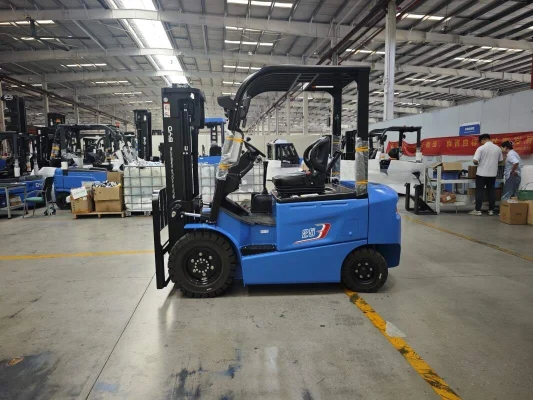
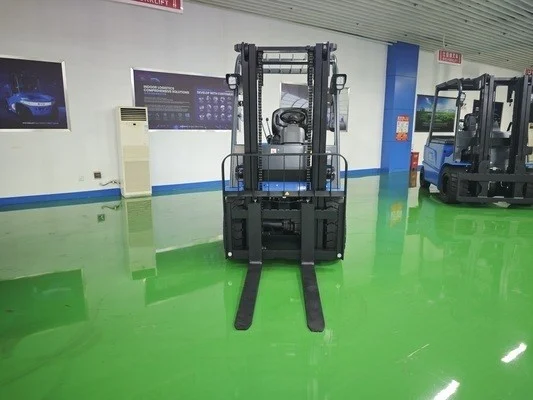
How Many Types of Forklift Are There: Choosing a Four-Wheel Counterbalance Electric Model When Dock Ramps and Trailer Loading Define the Duty Cycle
News 02/11/2026
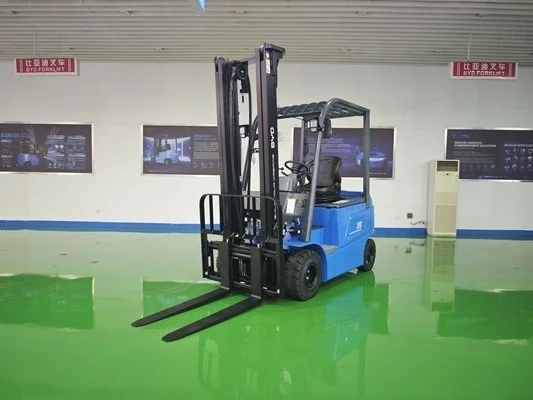
The forklift category covers many truck families, and the count depends on how you divide them: by power source, by operator position, by mast type, or by the way the load is handled. A practical answer is that most industrial fleets group trucks into roughly a dozen recognized families, including counterbalance trucks, reach trucks, order pickers, pallet trucks, and tow tractors. The more useful question comes next: which family fits a duty cycle dominated by dock ramps and trailer loading? That work usually points toward a four-wheel counterbalance electric forklift, and the rest of this guide explains when that choice holds and what to verify before you commit.
How the Main Forklift Families Differ and Why the Dock Changes the Answer
Classification schemes vary by region and manufacturer, so treat any number as a working map rather than a fixed standard. A common way to organize the market is by body style and load handling:
- Counterbalance trucks carry the load ahead of the front wheels and use the truck’s own weight to offset it. Four-wheel and three-wheel versions exist, and both sit in the counterbalance family.
- Reach trucks use a moving mast to place loads in narrow racking, typically in warehouses with guided aisles.
- Order pickers lift the operator to the pick face.
- Pallet trucks and stackers handle pallets at low lift heights, often in tight storage areas.
- Tow tractors pull trailers rather than carry loads on forks.
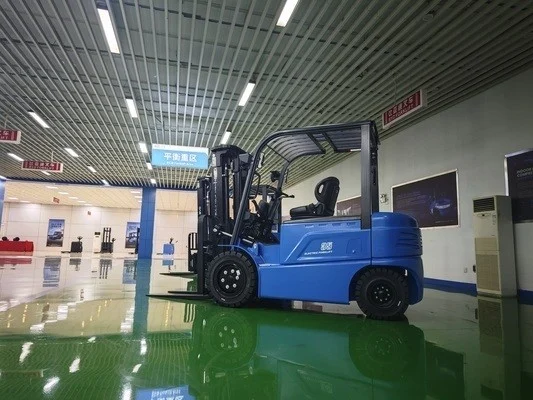
Dock ramps and trailer loading narrow this list quickly. The truck must climb a slope with a load, enter a trailer with limited overhead clearance and floor strength limits, and often work in a space where the operator needs a clear view of the fork tips. A four-wheel counterbalance electric forklift is a common general-purpose choice here because its layout supports laden travel on grades and its counterweight balances loads carried ahead of the wheels. That does not make it automatically correct. Slope, floor rating, trailer type, and load center all influence whether a given model is suitable.
Matching a Four-Wheel Counterbalance Electric Truck to Ramp and Trailer Work
Start with the physical conditions rather than the truck catalog. The following checks usually decide whether a four-wheel counterbalance model is workable and which configuration to request.
Ramp grade and surface
Confirm the actual slope of the dock ramp and the transitions at the top and bottom. A truck rated to climb a grade with a load may still be limited by the ramp surface, the load height, and the direction of travel. Ask the supplier to confirm rated gradeability under the load you plan to carry, and state whether the ramp is indoor, outdoor, or exposed to weather. Wet or contaminated surfaces change traction, so surface condition belongs in the inquiry.
Trailer floor and entry clearance
Trailer decks have their own load limits and often a slight incline from the dock plate. Check the trailer floor rating, the height of the trailer opening, and the overhead guard height of the truck. A model that fits one trailer type may not fit another. Also confirm the dock plate capacity and how it sits against the trailer bed, since a poor transition can affect stability and tire wear.
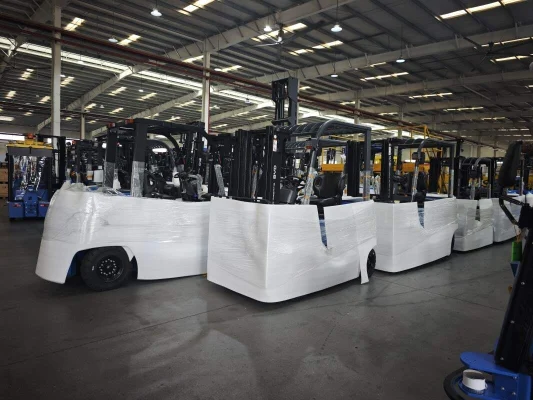
Load weight, load center, and attachment
Rated capacity is tied to a stated load center. A load whose center sits farther from the fork face reduces the usable capacity, and attachments such as sideshifters or clamp frames change the rating further. Provide the actual load weight, pallet dimensions, and any attachment to the supplier so the capacity rating can be checked against real conditions rather than a headline number.
Battery and charging routine
Trailer loading often runs in bursts, and a truck that is adequate on paper can still fall short if charging breaks interrupt the shift. Lithium battery models support opportunity charging in many configurations, but the acceptable charging pattern depends on the battery and charger supplied. Confirm the charger type, the available power supply at the dock, and whether charging can happen during breaks without disrupting the schedule.
Aisle and maneuvering space
Four-wheel trucks generally need more turning space than three-wheel models. Measure the narrowest aisle, the dock staging area, and the space inside the trailer. If the trailer interior is tight, verify the turning radius and the operator’s sight lines before selecting a model.
Selection Trade-Offs and Configuration Details That Affect the Decision
Once the duty cycle is clear, the remaining choices are about balance rather than a single best answer.
| Condition | What it favors | What to verify |
|---|---|---|
| Steep or long ramp | Four-wheel counterbalance layout with adequate rated gradeability | Rated gradeability at the actual load and travel direction |
| Tight trailer interior | Compact chassis and good forward visibility | Turning radius, overhead guard height, fork length |
| Mixed indoor and outdoor docks | Sealed components and suitable tires | Tire type, IP ratings where stated, surface conditions |
| Multi-shift operation | Lithium battery with opportunity charging | Charger capacity, power supply, charging windows |
| Attachments in use | Derated capacity matched to the attachment | Attachment weight and revised load center |
Two trade-offs deserve explicit attention. First, a larger battery or a longer counterweight can improve runtime and stability but also adds weight and may affect trailer floor loading. Second, a shorter wheelbase can help in tight spaces but may reduce stability on ramps. Neither trade-off can be settled without the actual measurements.
Tire choice is another practical detail. Solid pneumatic or cushion tires behave differently on dock plates and outdoor surfaces, and the right choice depends on floor condition and debris. Ask the supplier which tire options are available and how each affects rated capacity and ride.
Operator ergonomics also matter on repetitive trailer work. Visibility through the mast, the position of the overhead guard, and the effort needed to enter and exit the truck affect how quickly a shift becomes tiring. These are legitimate selection criteria, not extras.
Frequently Asked Questions
Is a four-wheel counterbalance electric forklift suitable for every dock ramp?
No. Suitability depends on the actual grade, surface, load weight, and travel direction. A truck rated to climb a slope under one load may be limited under another, so confirm rated gradeability against your real conditions rather than assuming the category is universally capable.
Can a three-wheel counterbalance truck handle trailer loading instead?
Three-wheel trucks offer tighter turning, which can help in confined spaces, but they are a different product category and not part of the range discussed here. If your operation needs that maneuverability, evaluate it as a separate option with its own capacity and stability data.
What information should I send when requesting a selection review?
Provide the ramp grade and length, dock plate details, trailer type and floor rating, load weight and pallet dimensions, required lift height, aisle width, shift pattern, and available charging power. These details let the supplier check capacity, gradeability, and battery configuration against the duty cycle.
Does a lithium battery remove the need to plan charging?
It reduces some constraints, but planning is still needed. Charger capacity, power availability, and the timing of breaks determine whether opportunity charging fits the schedule. Confirm the charging pattern the supplied battery and charger support before relying on it.
Next Steps: Confirm the Numbers Before You Specify a Truck
The type count is a starting map, not a decision. On dock ramps and trailer work, the decisive inputs are grade, surface, trailer floor limits, load center, lift height, aisle space, and charging routine. Gather those figures, then ask the supplier to confirm rated capacity and gradeability under your stated conditions. If you are evaluating a four-wheel counterbalance electric forklift, share your actual duty cycle, load weight, and lift height so the model and configuration can be checked against real operating limits rather than assumed ones.