How Many Types of Forklift Are There: A Clear Categorization Based On Mobility Type And Working Reach Guiding Industrial Material Handling Equipment Selection
News 12/10/2026
Core Categorization Based On Mobility Type
Understanding different forklift types starts with grouping by mobility, the attribute that determines how a unit moves across worksites and interacts with surrounding space. This grouping helps eliminate confusion around overlapping marketing names and focuses on functional attributes that impact daily operation.
Counterbalance Forklifts
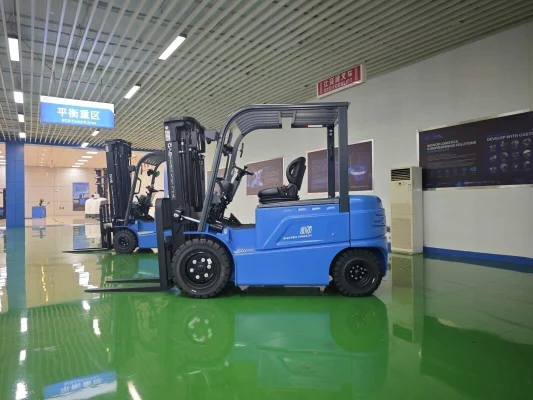
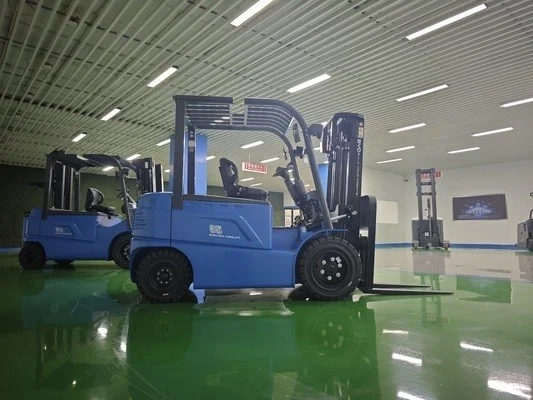
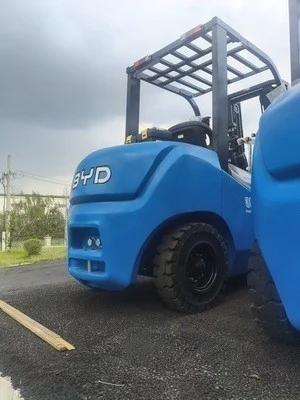
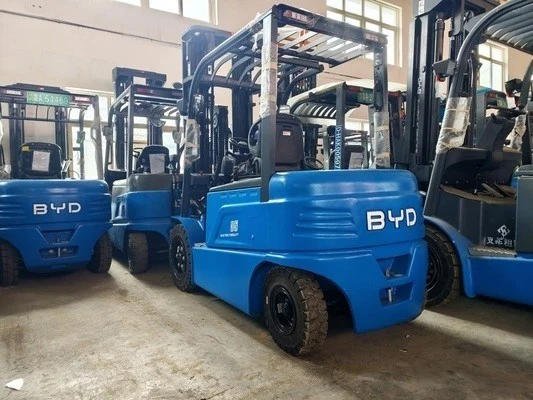
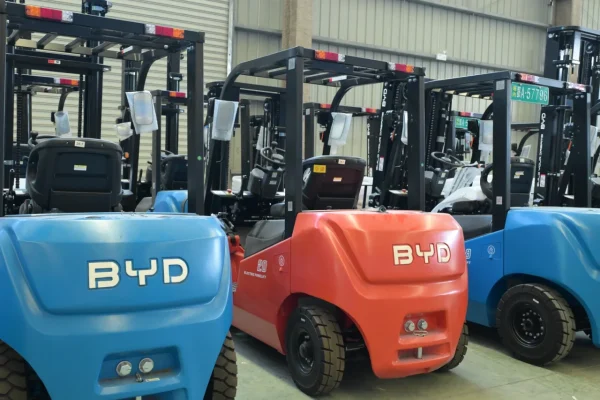
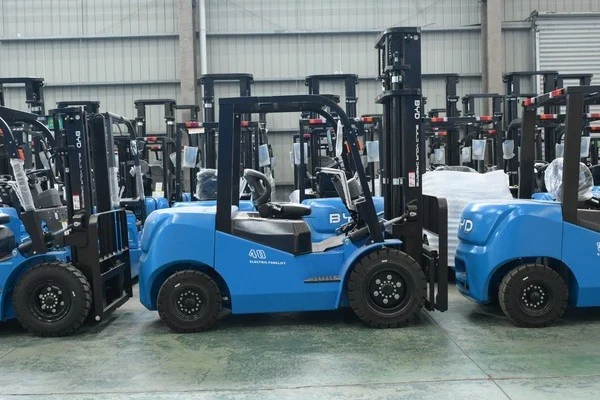
Counterbalance forklifts feature fixed counterweights mounted on rear chassis to offset load weight on front forks. These units come standard with solid or pneumatic tires, depending on work location. Most models support operator seating during operation. They work well on flat, paved indoor or outdoor surfaces, and handle load weights ranging from 3,000 to 18,000 pounds. Key limitations include wider turn radius, so they require extra aisle space in storage areas.
Pallet Jacks And Walkie Stackers
Walk-behind and stand-on pallet jacks offer compact mobility designed for… wait no,
Walk-behind and stand-on pallet jacks offer compact mobility built to support short-distance load movement. Manual pallet jacks require operator physical force to move loads, while electric models provide powered travel and lift. They fit into tight spaces larger counterbalance units cannot access, and work well for… no, work well loading delivery trucks, moving stock around retail back rooms, or restocking low-level warehouse shelves. Limitations include lower maximum lift height (most top out under 10 feet) and lower maximum load capacity compared to larger counterbalance models.
Rough Terrain Forklifts
Rough terrain forklifts come with large, deep-tread pneumatic tires and higher ground clearance than standard indoor models. Engine-powered designs deliver extra torque for… no, Engine-powered designs deliver extra torque across uneven, unpaved work sites common at construction sites, lumber yards, and outdoor storage lots. Their heavy frame supports stable operation on slopes and loose ground. Limitations include larger size that prevents use inside narrow warehouse aisles, and lower fuel efficiency compared to electric models built to support indoor operation.
Three-Wheel Stand-On Reach Trucks
Three-wheel stand-on reach trucks offer tight turning capabilities thanks to their compact chassis and single rear drive wheel. Operators stand on the rear platform during operation, which reduces overall unit size compared to seated counterbalance models. They deliver smooth maneuverability in medium-width warehouse aisles, and work well across daily order picking and stock replenishment. Limitations include lower load capacity than four-wheel counterbalance units, and require flat, smooth indoor surfaces to maintain safe operation.
Categorization Based On Working Reach
After grouping by mobility, forklift types also split into distinct categories based on maximum working reach, which directly determines what storage height your unit can access. This attribute is critical when planning warehouse storage density and high-bay storage operations.
Standard Reach Forklifts
Standard reach models offer maximum lift heights between 10 and 18 feet. These units match most general-purpose warehouse operations with low to medium storage racks. They balance lift capacity and maneuverability well, making them common multi-purpose units shared across different warehouse tasks.
Extended Reach Forklifts
Extended reach forklifts, sometimes called high-reach models, deliver maximum lift heights up to 40 feet. These units support high-bay storage systems that maximize vertical warehouse space. They require stable flat surfaces and trained operators to manage load control at extreme heights. Limitations include longer load cycle times, because operators must take extra care when placing or retrieving loads at maximum height.
Narrow Aisle Turret Trucks
Turret trucks fall under the narrow aisle reach category, with specialized mast design that allows forks to rotate side to side without moving the entire unit. This design lets them operate in aisles as narrow as 6 feet, which doubles storage density compared to standard counterbalance units that require 12-foot or wider aisles. They work well in high-density bulk storage warehouses, but require special guidance systems (either wire or rail) to prevent collisions with racking, and higher operator training levels.
Practical Selection Guidance Based On Operational Needs
Choosing the right forklift type requires matching core category attributes to your specific worksite conditions and operational requirements. Follow this simple process to narrow down your options:
First, map your worksite characteristics: Measure average aisle width in storage areas, note ground surface condition (paved indoor vs unpaved outdoor), and calculate maximum storage height you need to access. If your aisles measure less than 10 feet wide, narrow aisle reach trucks will be your only viable option. Counterbalance units work only in aisles 12 feet wide or larger.
Second, confirm your maximum load weight: Most standard forklift types handle loads under 10,000 pounds, but heavy-duty counterbalance and rough terrain models support loads up to 30,000 pounds or more. Always select a category with rated capacity exceeding your heaviest regular load to maintain safe operation.
Third, account for travel distance: For long-distance travel across large yards or warehouses, seated counterbalance units offer more operator comfort over extended shifts. For short-distance travel in tight storage areas, stand-on pallet jacks or reach trucks deliver faster cycle times.
Common selection mistakes include choosing a larger forklift than you need, which wastes energy and takes up unnecessary space, or choosing a unit with insufficient reach, which limits your ability to use existing vertical storage space.
Frequently Asked Questions
What is the most common forklift type used in industrial operations?
The counterbalance forklift remains the most common general-purpose type found across indoor warehouses and outdoor paved yards. It serves a wide range of general material handling tasks, making it the top default option across most new industrial operations.
Are pallet jacks considered a type of forklift?
Yes, industry standards classify powered and manual pallet jacks as a class of forklift, because they use fork-shaped attachments to lift and move palletized loads. They are often grouped into the pedestrian-operated forklift category within official classification systems.
Can a rough terrain forklift be used indoor?
Most rough terrain forklifts are engine-powered and too large to fit through standard warehouse doorways. They also produce exhaust fumes that make indoor operation unsafe without proper ventilation. Only small electric rough terrain models work indoor, and they still require enough aisle space to accommodate their larger tire and frame size.
How do I know what working reach my forklift needs?
Measure the total height of your highest storage rack, then add 3-4 feet extra clearance to account for fork lifting above the rack level. This number gives you the minimum maximum working reach your selected forklift category must support. Always confirm the rated reach of any model matches or exceeds this measurement before purchase or rental.