How Many Types of Forklift Are There: A Guide to Categorizations Based on Power Source and Load Capacity Informing Material Handling Selection Decisions
News 06/10/2026
When you start planning material handling operations, one common question arises: how many types of forklift are there? Correct categorization helps you narrow options quickly, avoid overspending on unnecessary power or capacity, and keep work sites safe. This guide organizes forklift types by two most common classification axes: power source, and load capacity. Each section includes use cases, limits, and selection guidance to inform your decision.
Categorization by Power Source
Internal Combustion (IC) Forklifts
IC forklifts rely on gasoline, diesel, or propane fuel to operate. They deliver higher torque and faster refueling times compared to battery-powered units, and work well across outdoor work sites with rough terrain. Most IC units handle heavier loads than entry-level electric models, and function in all weather conditions without the downtime battery charging requires. Key limitations include higher operating costs, harmful emissions that rule out use in most enclosed indoor spaces, and higher noise levels that disrupt urban or indoor work.
Electric Forklifts
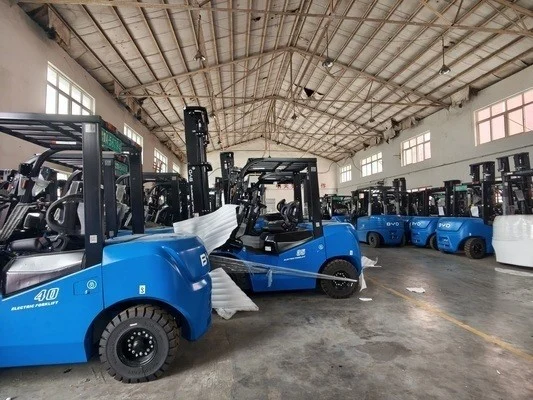
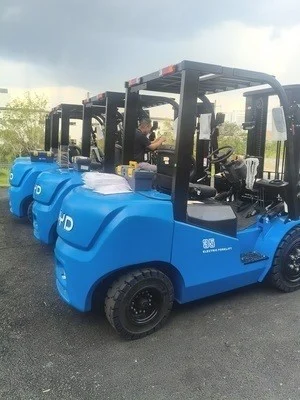
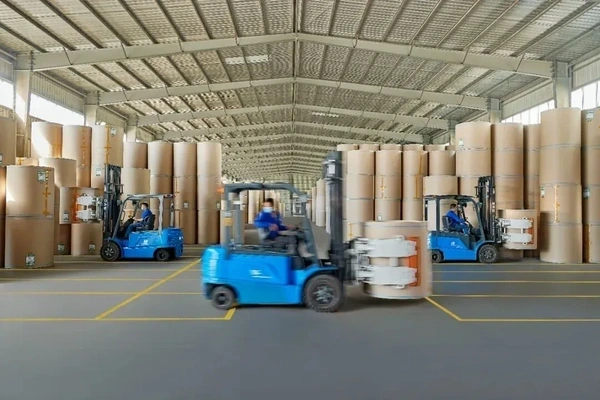
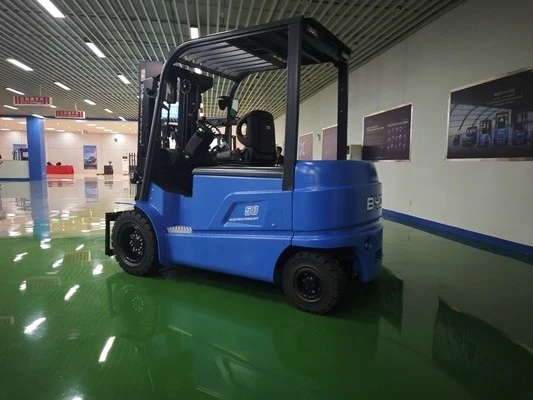
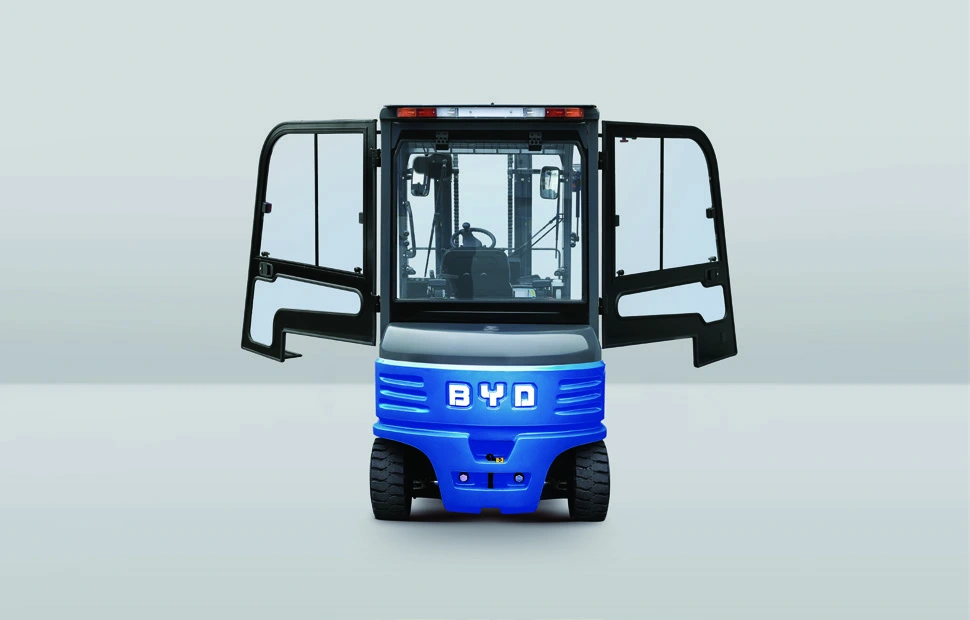
Electric forklifts draw power from rechargeable lead-acid or lithium-ion batteries. They produce zero on-board emissions, so they work safely inside warehouses, distribution centers, and retail storage areas. They run much quieter than IC units, and require less regular maintenance thanks to fewer moving engine parts. Common applications include loading and unloading delivery trucks inside facilities, moving inventory across storage aisles, and order picking in high-volume distribution centers. Key limitations include the need for frequent battery swaps or charging breaks for most standard models, and most entry units cannot handle extreme outdoor terrain or very heavy loads. Lithium-ion battery options cut charging downtime but raise initial purchase costs significantly.
Manual Non-Powered Forklift Variants
Manual forklift variants, most commonly hand pallet jacks, require human power to lift and move loads. They have no external power source, so they cost very little upfront and require almost no regular maintenance. They work well in small retail spaces, small loading docks, and low-volume operations that move light loads short distances. Key limitations include an inability to lift loads more than a few feet off the ground, and most max out at 5,000 pounds total capacity, making them unsuitable high-volume or heavy-lift operations.
Categorization by Load Capacity
Light Capacity (Under 5,000 Pounds)
Light capacity forklifts handle loads under 5,000 pounds, and the most common variants include electric order pickers, hand pallet jacks, and small stand-up counterbalance forklifts. These units work well in retail stock rooms, order picking operations, and small business loading areas where loads rarely exceed standard pallet weights. They fit into narrow aisles that larger units cannot access, making them popular among small warehouses with dense storage setups. Exceeding published capacity leads to tip-over risks and permanent equipment damage, so never use a light capacity unit with loads outside its rated limit.
Medium Capacity (5,000 to 15,000 Pounds)
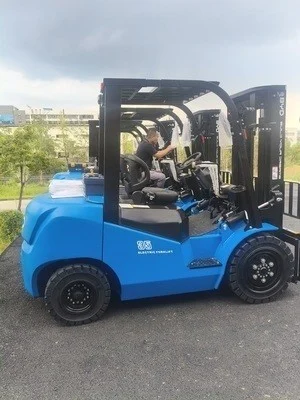
Medium capacity forklifts make up the most common segment across general material handling operations. This category includes most standard IC and electric counterbalance forklifts used in warehouses, manufacturing facilities, and freight yards. They balance maneuverability and power, enough to handle most standard pallets loaded with raw materials, finished goods, and construction supplies. Most medium capacity units function in both indoor and outdoor settings depending on their power source, making them versatile multi-use options serving many operations.
Heavy Capacity (Over 15,000 Pounds)
Heavy capacity forklifts handle loads exceeding 15,000 pounds, with some large variants designed to lift up to 100,000 pounds. Common types include container handlers, rough terrain forklifts used at construction sites, and port cargo handling units. They almost always run on diesel power, thanks to high torque requirements heavy loads. Common applications include shipping port container management, construction site material movement, and heavy manufacturing operations handling large equipment or raw materials. They require more space to maneuver, have much higher purchase and operating costs, and are overkill most small to medium material handling operations.
Key Selection Guidance
When you narrow down your forklift options, start with these three actionable steps to match your needs:
- Confirm your maximum expected load weight and maximum lift height requirements before you review power source options. This eliminates all units that cannot meet your core performance needs.
- Match power source to your work environment: indoor enclosed operations need electric options, while outdoor rough terrain work fits IC units.
- Account for long-term operating costs: electric units have higher upfront costs but lower ongoing fuel and maintenance costs, while IC units have lower upfront costs and higher ongoing expenses.
If you rent equipment instead of purchasing, you can test multiple types to confirm fit before committing long-term. This approach works well across operations with seasonal or changing material handling needs, as you can adjust capacity and power source based on current project requirements.
Frequently Asked Questions
What is the most common type of forklift used in warehouses?
The most common warehouse forklift type is medium capacity electric counterbalance forklift. These units fit most standard storage aisles, produce zero emissions, and handle the majority of typical pallet load weights common distribution and storage operations.
Are pallet jacks considered a type of forklift?
Yes, industry classification includes manual and powered pallet jacks as forklift variants. They fall into the light capacity, non-powered or electric category, and serve specific low-lift material handling needs.
What type of forklift works best outdoor rough terrain?
Rough terrain internal combustion forklifts with heavy capacity ratings work best this application. Their high torque and rugged tires handle uneven ground common construction sites and outdoor lumber yards.
Do all forklift types require certified operator training?
Yes, all powered forklift types require certified operator training in most regions. Even manual pallet jacks benefit from basic safety training to avoid common workplace accidents related to overloading and improper maneuvering.
Understanding how many types of forklift are there and how categorization by power source and load capacity works helps you avoid costly misselection. By starting with your core load requirements and work environment, you can quickly narrow options to units that fit your budget and operational needs. Always verify equipment specifications against your unique site requirements before making any purchase or rental decision.