Common Maintenance Pitfalls That Reduce Indoor Electric Forklift Reliability in Multi-Shift Operations
News 08/10/2026
Many warehouse and distribution centers depend on indoor electric forklift fleets to meet daily output demands across multiple shifts. These units deliver zero emissions, quiet operation and lower long-term operating costs compared to internal combustion alternatives, but their reliability drops sharply when teams fall into common maintenance traps. Even small repeated mistakes across consecutive shifts add up to major damage, unplanned downtime and premature equipment replacement. Below we break down the most widespread pitfalls and steps you can take to avoid them.
Ignoring Battery Maintenance Between Shifts
Overlooking Opportunity Charging Best Practices
Many multi-shift operations leave batteries at partial discharge during extended periods between shifts. This practice degrades lithium-ion and lead-acid cells faster, reducing overall capacity over months of repeated use. Teams often skip top-ups between shifts because they assume the next shift handles charging, leading to consistent low-state operation that strains internal components. Over time, reduced battery capacity means your forklift cannot complete a full shift without charging, creating operational delays and increasing stress on other powertrain components.
Failing to Clean Battery Terminals Regularly
Lead-acid batteries release corrosive fumes that build up on terminals over time. Corrosion increases resistance, cuts charging efficiency and can cause unexpected power loss mid-operation. Teams focused on keeping up with production demands often push terminal cleaning to indefinite future dates, which creates lasting damage that forces premature battery replacement.
Neglecting Tire Inspection and Replacement
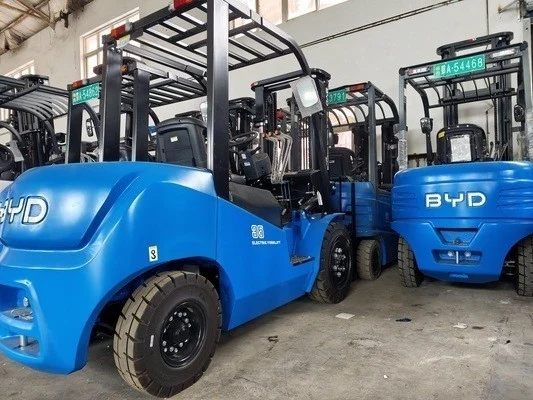
Indoor electric forklifts use solid non-marking tires designed specifically to meet warehouse and factory floor requirements. Many teams only replace tires after visible blowouts or major damage occur, which creates excess strain on drive motors, steering components and axles. Worn tires increase stopping distance, reduce traction on smooth wet floors, and throw off forklift alignment. Over time, this extra strain causes premature component failure that leads to unplanned downtime longer than routine tire replacement would take.
Ignoring Uneven Wear Patterns
Uneven tire wear often signals alignment issues or improper load distribution. Teams that miss this early warning sign end up dealing with compound damage to multiple chassis components, which reduces overall forklift reliability across every shift.
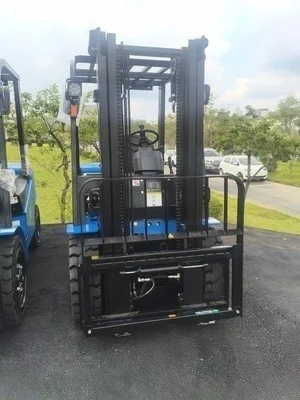
Skipping Scheduled Inspections of Brake and Steering Systems
Indoor operations require frequent stops and tight maneuvering, which puts constant stress on brake pads, calipers and steering linkages. Many teams only address these systems when operators report noticeable issues, by which point small problems become large expensive repairs.
Overlooking Brake Pad Wear
Brake pads wear gradually, so changes in stopping performance often go unnoticed across consecutive shifts. Worn pads damage brake rotors, which require full assembly replacement instead of just a low-cost pad swap. This adds thousands of dollars in unexpected repair costs and takes units out of service much longer than routine preventive work.
Using Incorrect Replacement Parts
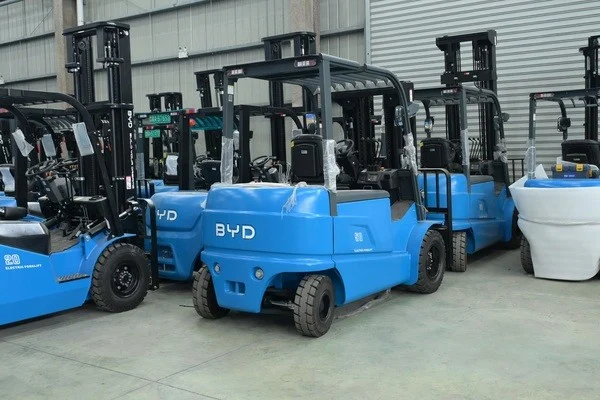
To cut operational costs, some teams source generic aftermarket parts that do not match original equipment specifications. Generic parts may fit initially, but they often wear faster and fail to meet load and torque requirements your indoor electric forklift needs. This mismatch creates extra stress on connected components that leads to cascading failures across the entire system.
Saving Money Up Front, Increasing Costs Long Term
Generic batteries, motors and brake components can cause compatibility issues that damage adjacent systems. This domino effect leads to more frequent repairs and significantly shorter overall service life of your entire forklift.
Frequently Asked Questions
Can I extend my indoor electric forklift reliability with quick weekly checks?
Yes, simple weekly checks covering battery charge levels, tire condition and brake responsiveness catch early issues before they cause major downtime. These checks take less than 10 minutes per unit and add months of usable service life to your fleet.
What maintenance adjustments work best with multi-shift operations?
Rotate maintenance tasks across shift handoffs to ensure small checks get completed daily. Assign one operator per shift to complete a 2-minute pre-use inspection covering core systems, rather than pushing all maintenance work to one monthly date.
Do lithium-ion batteries need different maintenance than lead-acid batteries in multi-shift use?
Yes, lithium-ion batteries tolerate opportunity charging much better than lead-acid, but they still require regular checks of cooling systems and connection points. Lead-acid batteries need regular watering and terminal cleaning that lithium-ion units do not require.
How do common maintenance pitfalls impact total cost of ownership?
Unaddressed small maintenance issues multiply into larger repairs, increase unplanned downtime, and force premature replacement of major components or entire forklifts. This pushes total cost of ownership much higher than investment into consistent routine maintenance.
Actionable Conclusion
Indoor electric forklift reliability in multi-shift operations depends on consistent, proactive maintenance that avoids the common pitfalls outlined above. Small daily checks, proper battery care, regular tire and brake inspections, and use of matching replacement parts all work together to reduce unplanned downtime and extend your fleet service life. Teams that adjust maintenance schedules to fit multi-shift demands see consistent improvements in reliability and lower long-term operational costs.