Total Cost of Ownership Factors Shaping Food Industry Electric Forklift Selection
News 09/10/2026
Food industry material handling operations face unique requirements tied to food safety, sanitation regulations and time-sensitive handling of perishable goods. When choosing electric forklifts, many decision-makers focus exclusively on initial purchase price, ignoring long-term expenses that add up across the equipment’s service life. Evaluating total cost of ownership (TCO) helps teams identify options that deliver lower long-term expenses while meeting all operational and compliance needs. This guide breaks down core TCO factors shaping selection decisions.
Upfront Capital Acquisition Costs
Initial purchase price makes up only a portion of total TCO, but it remains the most visible factor influencing selection decisions. Several food-specific requirements impact upfront pricing:
Battery Technology Impact On Initial Cost
Two dominant battery types power most electric forklifts serving food operations: lead-acid and lithium-ion. Entry-level lead-acid batteries carry lower upfront price tags, while food-grade sealed lithium-ion batteries require higher initial investment. Sealed construction is critical for food operations, as it prevents debris or cleaning chemicals from entering battery compartments, reducing contamination risk.
Infrastructure And Modification Costs
Many operations overlook upfront costs beyond the forklift itself. New charging equipment, facility electrical system upgrades and space allocation for charging or battery storage all add to initial investment. Operations running multiple shifts need extra batteries or fast chargers, which further increase upfront capital requirements.
Compliance And Sanitation Related Long-Term Costs
Food industry operations must adhere to strict food safety regulations, and non-compliance carries significant financial risks. Sanitation design of electric forklifts directly impacts ongoing compliance costs:
Sanitation-Focused Design Reduces Ongoing Expenses
Forklifts built with seamless welded frames, smooth corrosion-resistant coatings and no hard-to-clean crevices require less labor time daily during cleaning. One common example: unsealed frames with gaps trap food debris, requiring extra cleaning time per shift, adding hundreds of labor hours annually across a fleet of multiple units. Non-sanitation designs also increase risk of bacterial contamination violations, which can lead to costly fines or temporary operational shutdowns.
Washdown Compatibility
Most food facilities require daily high-pressure washdowns with food-safe sanitizing chemicals. Forklifts without sealed electrical components and corrosion-resistant materials develop rust, wire corrosion and seal damage within a few years of regular use. This leads to premature part replacement, unplanned repairs and shorter overall service life, dramatically increasing TCO.
Cold Chain Adaptation Costs
Operations focused on frozen or refrigerated food products need electric forklifts configured for sub-zero temperatures. Standard batteries lose significant capacity in cold storage environments, leading to more frequent charging, shorter battery service life and productivity interruptions. Purpose-built cold-temperature batteries maintain consistent performance, extending service life and reducing long-term energy and replacement costs.
Maintenance And Repair Expenses
Ongoing maintenance makes up a large portion of electric forklift TCO, with food-specific operating conditions accelerating wear and tear:
Battery Maintenance Requirements
Lead-acid batteries require regular manual watering, cell equalization and cleaning to maintain performance. These tasks add regular labor hours to operational costs, while poor maintenance leads to shorter battery life. Lithium-ion batteries require almost no routine maintenance, eliminating these recurring labor costs and offsetting their higher initial investment over time.
Preventive Maintenance Vs Unplanned Downtime
Preventive maintenance plans tailored to food industry operating conditions reduce unplanned downtime. Unplanned downtime in food operations carries costs beyond repair bills: delayed shipments, spoiled perishable product and lost customer trust all add to total financial impact. Investing in forklifts with accessible service points and reliable components reduces the frequency of unplanned stops, lowering long-term TCO.
Productivity And Downtime Impact On TCO
Productivity losses directly impact bottom-line results, especially in time-sensitive food operations. Electric forklift design influences daily productivity:
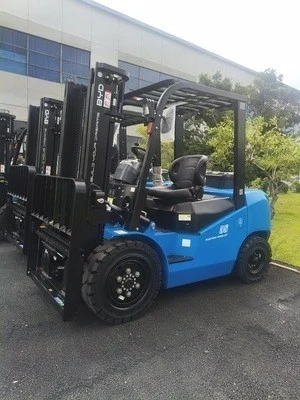
Lithium-ion batteries support opportunity charging, allowing drivers to top up power during scheduled breaks without battery swaps. This eliminates downtime associated with swapping out drained batteries, keeping operations moving across multiple shifts. Matching forklift operational range to daily work requirements also avoids mid-shift charging interruptions, preserving consistent productivity.
Outdoor operations, common at food processing plants and distribution centers, require electric forklifts with weather-sealed components. Unsealed components break down faster in wet or dusty outdoor conditions, leading to more frequent unplanned downtime and productivity losses.
End-Of-Life Value And Replacement Cycles
TCO calculation must include end-of-life costs and the overall service life of the forklift. Food-grade designed forklifts with corrosion-resistant materials have longer service lives than standard designs, as they avoid premature degradation from frequent washdowns and chemical exposure. Longer replacement cycles spread acquisition costs across more years, lowering annual TCO.
Battery recycling costs also factor into end-of-life expenses. Lead-acid batteries have well-established global recycling infrastructure, with many suppliers offering partial rebates toward used unit disposal. Lithium-ion recycling costs vary by region, so operations should account for these costs when comparing battery options.
Frequently Asked Questions
Are electric forklifts better than internal combustion models serving food industry operations?
Electric forklifts produce no exhaust emissions, which aligns with food safety and indoor air quality requirements. They generally deliver lower long-term TCO than internal combustion models when compliance and emission rules are factored in. Exact suitability depends on facility layout, frequency of outdoor operation and number of daily shifts.
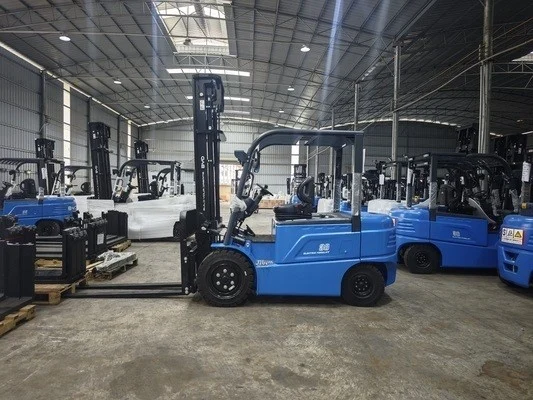
What hidden TCO factors do most food operations overlook when selecting an electric forklift?
Common overlooked factors include costs associated with charging infrastructure upgrades, extra labor needed for daily cleaning of non-sanitation designed frames, premature part replacement from improper washdown resistance, and productivity losses from unplanned downtime. These factors often add more to long-term TCO than differences in initial purchase price.
How does sanitation design affect electric forklift TCO in food industry settings?
Sanitation-focused designs include seamless welded frames, corrosion-resistant coatings and sealed electrical components. These features add slightly to upfront cost, but reduce daily cleaning time, lower contamination violation risk and slow corrosion from frequent washdowns. This translates to significantly lower long-term repair, labor and compliance costs.
Do cold chain food operations need special electric forklift configurations?
Yes. Standard electric forklift batteries lose capacity quickly in sub-zero temperatures common in cold storage facilities. Specially formulated cold-temperature batteries and insulated components maintain consistent performance, reduce charging frequency and extend battery service life, lowering overall TCO despite higher initial investment.
Conclusion
Selecting the right electric forklift depends on more than just initial price. Evaluating all TCO factors across the equipment’s entire service life helps food industry operations make cost-effective decisions that meet compliance and productivity needs. Teams should prioritize features aligned with their specific operating conditions: sanitation design matching cleaning protocols, battery technology matching shift volume, and cold-weather adaptation if supporting cold storage or frozen food operations. A full TCO analysis reveals the true cost of each option, leading to better long-term outcomes.