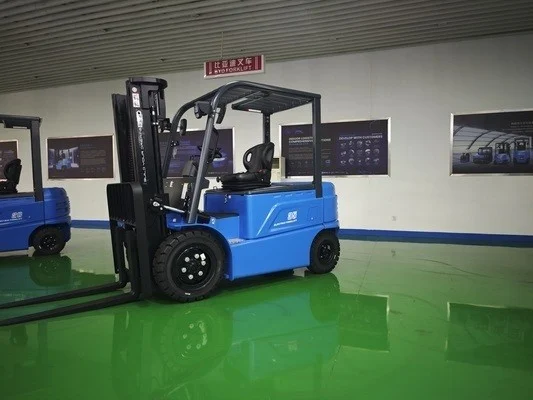
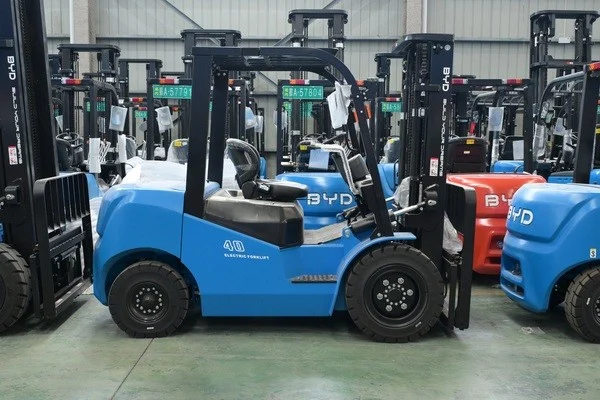
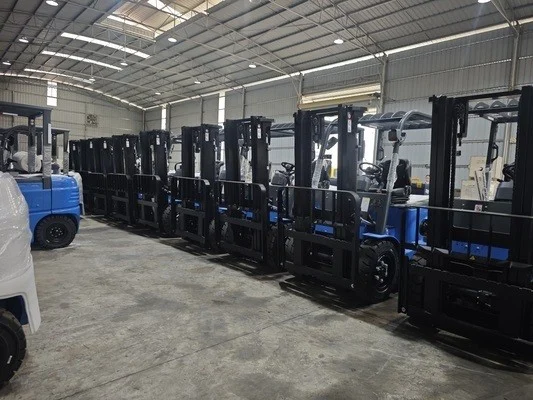
1.5 ton electric forklift: How to Confirm Hydraulic and Steering System Service Intervals Before a Four-Wheel Counterbalance Purchase
News 11/11/2026
A 1.5 ton electric forklift is a light-duty four-wheel counterbalance truck, and buyers often ask how often its hydraulic and steering systems need service. The honest answer: there is no universal interval. Service timing depends on the manufacturer’s published maintenance schedule, the duty cycle, hydraulic oil condition, hose and seal condition, and the steering system type fitted to the truck. Before you sign a purchase order, your job is to obtain those intervals in writing, confirm which components they cover, and agree on how condition checks will supplement the calendar. This guide explains what to request, what to verify, and what to leave open until the supplier’s technical documentation arrives.
What the Hydraulic and Steering Service Intervals Actually Cover
Maintenance schedules usually mix two different things: fixed calendar or hour-based tasks, and condition-based checks. A supplier may list hydraulic oil replacement at a set number of operating hours, but that number assumes a defined oil grade, filtration level, and duty severity. If your application runs in a dusty yard or handles attachments that work the hydraulics hard, the same interval may not apply.
Ask the supplier to separate the schedule into these categories:
- Fluid and filter tasks: hydraulic oil replacement, suction strainer or return filter changes, and any oil sampling recommendations.
- Leak and integrity inspections: hose, fitting, cylinder seal, and valve body checks, with the inspection method stated.
- Steering system tasks: fluid level checks, steering cylinder and linkage inspection, and any adjustment or bleed procedure.
- Condition triggers: the symptoms or measurements that justify service earlier than the fixed interval.
The point is not to memorize numbers. It is to know which numbers the supplier will stand behind and which assumptions sit behind them.
Questions to Put to the Supplier Before Ordering
Which maintenance document applies to this exact configuration?
Service intervals can differ by hydraulic circuit design, steering type, and oil specification. Request the maintenance schedule that matches the model, battery option, mast, and attachment you intend to buy. A generic brochure is not enough; ask which document revision applies and whether it will be supplied with the truck.
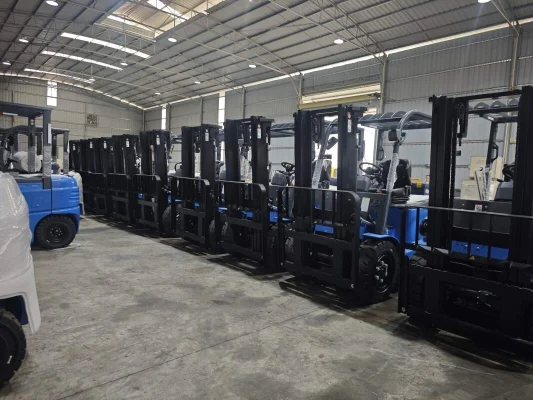
What duty assumption underlies the published intervals?
Ask whether the schedule assumes single-shift or multi-shift operation, what ambient temperature range it covers, and whether it assumes a particular hydraulic oil grade. If your operation is heavier or your environment harsher, ask the supplier to state how the interval should be shortened. Do not accept a verbal estimate as a substitute; ask where the adjusted figure is documented.
How is the steering system serviced?
Four-wheel counterbalance electric forklifts commonly use hydraulic power steering, but configurations vary. Confirm the steering arrangement on the quoted truck, the fluid it shares with the hydraulic system (if any), and the inspection points the schedule lists. If the supplier cannot describe the steering service procedure in plain terms, that is a warning sign about documentation quality.
What does the warranty require?
Warranty terms often depend on following the stated maintenance schedule and using approved fluids and filters. Ask which tasks must be performed by the supplier or an authorized service provider, which records must be kept, and what evidence is needed to support a claim. Get this in writing before delivery.
Building a Verification Checklist and Acceptance Record
Use the answers to build a short checklist you can attach to the purchase order. The table below shows a practical structure; fill the right-hand column only with figures the supplier has confirmed in writing.
| Item to confirm | What to record |
|---|---|
| Hydraulic oil change interval | Operating hours, oil grade, duty assumption, source document |
| Hydraulic filter or strainer interval | Part numbers, interval, inspection method |
| Steering system checks | Components covered, procedure, interval |
| Condition triggers | Leak criteria, oil appearance limits, noise or response symptoms |
| Warranty conditions | Required tasks, authorized service, record keeping |
At delivery, walk the truck with the service document in hand. Confirm the hydraulic oil level and appearance, inspect hoses and fittings around the mast and steering cylinder, and check that the steering responds smoothly through its full range. Record the hour meter reading and the date. These are baseline observations, not proof of long-term reliability, but they give you a reference point when the first interval comes due.
Then set up a simple log. Every service entry should note the hour meter, the task performed, the fluid or parts used, and who did the work. If a leak or steering complaint appears between intervals, the log helps you decide whether the issue is normal wear, a fluid problem, or something the supplier should investigate under warranty.
Common mistakes to avoid
- Treating a brochure interval as a guarantee without checking the assumptions behind it.
- Mixing hydraulic oils or substituting filters without supplier approval.
- Ignoring small leaks because the truck still lifts and steers normally.
- Assuming your application matches the schedule’s duty assumption.
If you are evaluating a 1.5 ton four-wheel counterbalance electric forklift from our range, share your load weight, lift height, shift pattern, floor and slope conditions, and charging arrangements. We can then point you to the configuration details and the maintenance information that applies, and identify which parameters still need confirmation against the technical documentation.
Frequently Asked Questions
Can I set service intervals from the hour meter alone?
Not safely. Hour-based intervals are a starting point, but the supplier’s schedule also assumes a duty level, oil grade, and operating environment. Condition checks between intervals catch leaks, contamination, and steering response changes that the calendar cannot.
Does the steering system need a separate fluid?
It depends on the configuration. Some trucks share hydraulic fluid between the lift circuit and power steering; others do not. Confirm the arrangement on the quoted model and follow the fluid specification in the supplier’s maintenance document rather than assuming.
What should I do if the supplier will not provide written intervals?
Treat that as a procurement risk. Ask again in writing, request the relevant maintenance document, and consider whether the warranty terms are clear enough to protect you. A purchase decision made without documented service requirements leaves you guessing about cost and downtime later.
How do I know whether my duty cycle is light or heavy?
Describe your actual operation to the supplier: hours per shift, loads handled, lift heights, attachment use, floor surface, and environment. Ask them to state which duty category your description matches and how that affects the published intervals. Keep their written answer with the purchase records.