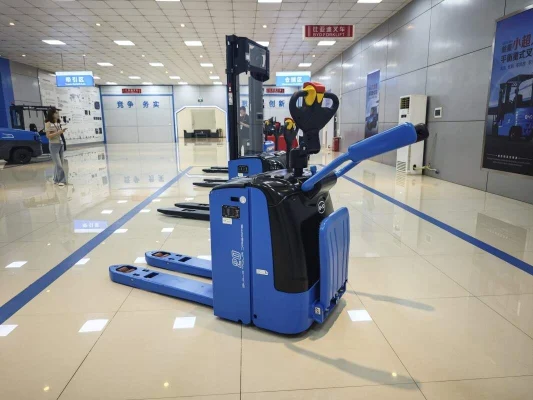
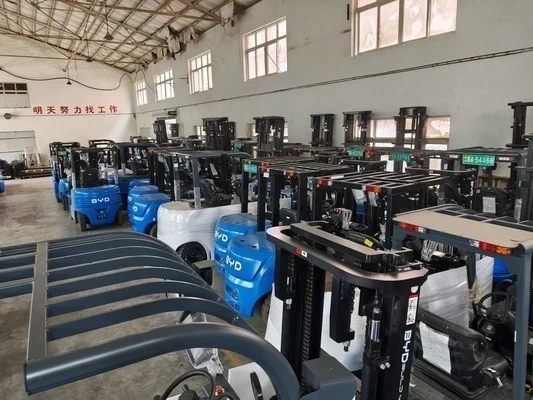
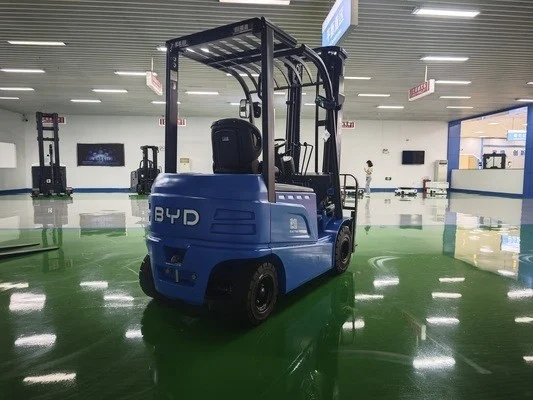
How to Assess Indoor Electric Forklift Maneuverability and Load Capacity Against High Density Storage Facility Requirements
News 09/10/2026
High density storage facilities maximize vertical and horizontal space within existing warehouse footprints, but this space optimization creates unique demands material handling equipment. Indoor electric forklifts are popular choice this environment thanks zero on-site emissions and lower noise levels, but incorrect sizing in either maneuverability or load capacity leads to reduced throughput, damaged inventory and increased safety risks. This guide breaks down clear assessment steps match equipment your facility requirements.
Map Your Facility Specific Requirements First
Before evaluating any forklift model, document your facility core constraints. Two key metrics define most high density storage layouts: aisle width and maximum lifting height.
Aisle Width Constraints
Standard high density storage uses aisle widths between 8 feet and 12 feet, depending on rack configuration. Very narrow aisle (VNA) storage can drop aisle width below 6 feet. You must measure actual clear aisle width, not just nominal design width, accounting for any protruding rack guards, wall obstacles or safety railing that reduces available turning space.
Load and Lifting Requirements
Document the heaviest load your forklift will regularly carry, and the maximum lifting height needed reach top rack levels. Load capacity decreases as lifting height increases, so you must check the specification at your maximum height, not just base capacity. Also note load dimensions: oversized pallets require wider fork spread and additional clearance that impacts turning radius.
Evaluate Maneuverability Key Metrics
Maneuverability determines whether your forklift can navigate aisles and turn into loading bays without hitting racking or other equipment. Three core metrics drive performance:
Turning Radius
The turning radius measures how much space the forklift needs complete a full 360 degree turn. Counterbalance indoor electric forklifts typically have larger turning radii, making them poor fit very narrow aisles. Articulated and stand-up reach forklifts have much smaller turning radii, enabling operation in tighter high density layouts. Always test turning radius with the maximum expected load attached, as empty units turn more easily than loaded units.
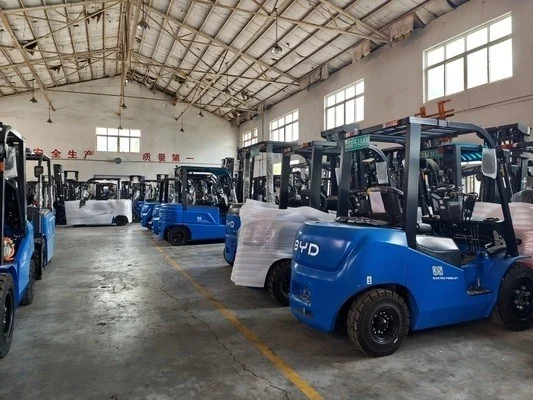
Lift Mast Tilt and Clearance
Mast tilt helps operators align forks with pallets in high racks. Too much tilt can reduce load stability at height, while too little increases maneuver time and collision risk. Also check overall mast width: narrow masts improve operator visibility in tight aisles, reducing accident risk.
Operator Visibility
Good visibility directly impacts maneuverability in tight spaces. Models with integrated fork positioners and thinner masts give operators clearer line of sight when navigating narrow aisles and placing loads at height.
Validate Load Capacity Against Operational Demands
Maneuverability means nothing if the forklift cannot safely carry required loads to target storage levels. Follow these steps confirm capacity matches your needs:
Check Load Capacity Charts
All reputable manufacturers publish capacity charts that link maximum load weight to lifting height and load center distance. The load center is the midpoint of your load depth. Most standard pallets use a 24 inch load center, but oversized or non-standard loads shift this point, which reduces effective maximum capacity. Always cross-reference your load center and maximum height against the manufacturer chart.
Account For Additional Attachments
Attachments like side shifters, fork positioners or carton clamps add weight to the front of the forklift, which reduces effective load capacity. Even light attachments can cut capacity by 5% to 10%, so you must include this weight in your calculations when assessing a model.
Consider Weight Distribution Across Warehouse Floors
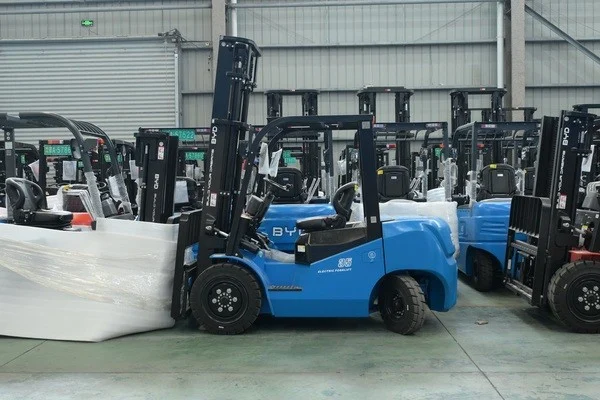
High density storage often stacks heavier loads lower down, but you must confirm the forklift own weight matches your floor load rating. Some high capacity narrow aisle forklifts add axle weight that can exceed the load rating older warehouse floors, leading to structural damage over time.
Test Assessment With Real World Simulation
Specification sheets provide baseline data, but on-site testing confirms performance under your actual working conditions. Arrange a demo unit from your supplier, and run through these common scenarios:
- Navigate the narrowest aisle in your facility with a full maximum load
- Lift the full load to your highest storage rack and place it correctly
- Turn the forklift at the end of the aisle to exit, without hitting any obstacles
- Complete multiple load cycles to confirm operator comfort and speed
Most suppliers allow 1 to 3 day on-site trials, which help you identify issues that do not appear on specification sheets. For example, you may find a model with acceptable turning radius has poor visibility that slows operations, or that battery capacity drops too far during multiple full shifts.
Frequently Asked Questions
Can counterbalance indoor electric forklifts work high density storage layouts?
Counterbalance models work only in wider high density layouts with aisle widths 10 feet or larger. Their larger turning radius makes operation in narrower aisles too high risk collisions and operational delays.
Does battery weight impact indoor electric forklift maneuverability and capacity?
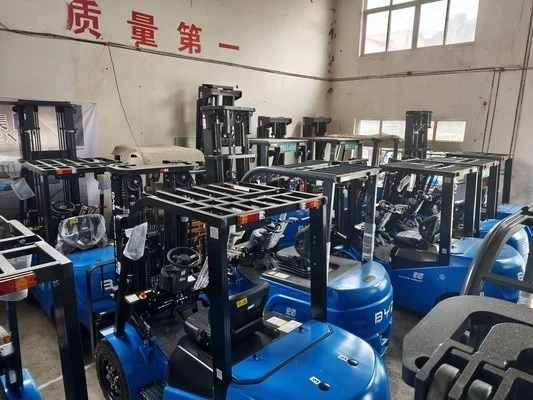
Battery weight acts as counterbalance for most models? No, wait, rephrase: Battery weight acts as counterbalance most models, so it directly impacts maximum load capacity. Heavier batteries increase base capacity but also increase overall vehicle weight, which can add stress warehouse floors and reduce maneuverability in tight spaces.
What is the biggest mistake facility managers make during assessment?
The most common error uses base capacity (capacity at low lifting height) instead of capacity at your maximum required lifting height. Load capacity drops steadily as lifting height increases, so this mistake leads to unsafe operation and premature equipment wear.
Do indoor electric forklifts offer lower operating costs compared to other types indoor warehouses?
Electric models produce zero on-site emissions, which eliminates extra ventilation needs indoor spaces, and have lower long term maintenance costs. They also run quieter, which improves working conditions warehouse staff.
Final Actionable Selection Steps
Start by mapping your facility specific constraints, including clear aisle width, maximum lifting height and maximum load weight. Cross-reference these constraints against manufacturer specifications for turning radius and load capacity at your operating height, then account for attachments and floor load limits. Complete an on-site trial before final purchase to confirm real world performance meets your throughput and safety needs. This structured assessment helps you avoid costly mistakes and select indoor electric forklift that supports your high density storage operational goals.