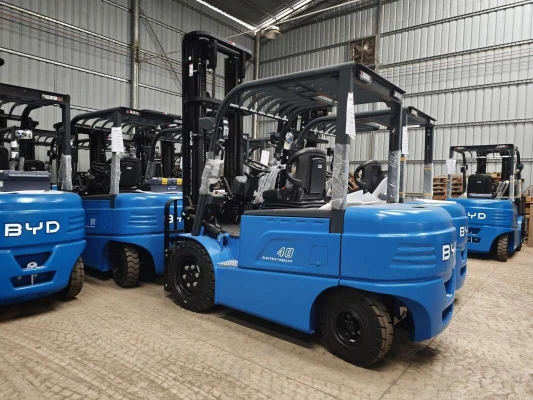
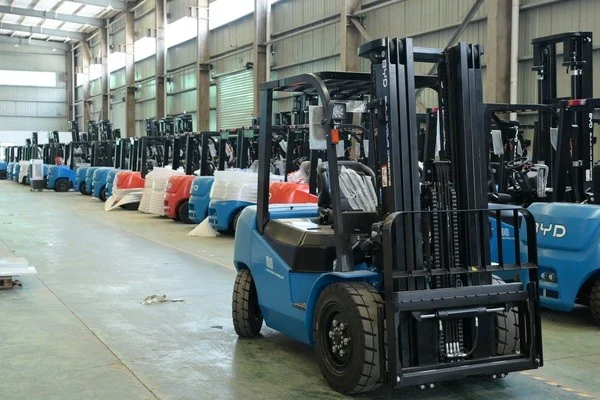
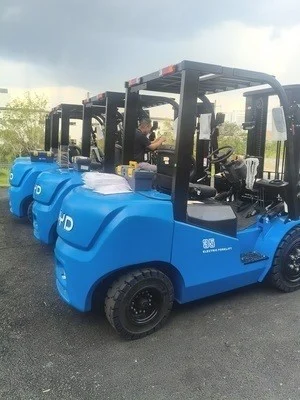
BYD Electric Forklift Overhead Guard and Operator Compartment: Configuration Points Buyers Should Confirm Before Ordering
News 13/11/2026
A BYD electric forklift quote can look complete while leaving the operator compartment underspecified. The overhead guard, seat, controls, and access details often sit in a separate configuration sheet, and two trucks with the same rated capacity can arrive with different operator areas. Before you approve a purchase order, confirm how the overhead guard and compartment will be built, what the manufacturer documentation supports, and which items depend on your actual aisle, load, and shift conditions. This guide compares the configuration choices buyers commonly face and shows what to verify before committing.
Why the Operator Compartment Deserves Its Own Review
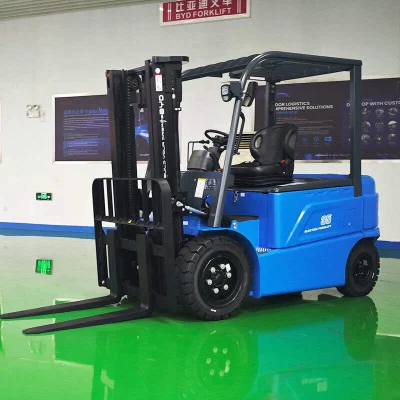
The operator compartment is where the forklift meets the person using it. It affects visibility, entry and exit, control reach, and how fatigue accumulates across a shift. On a four-wheel counterbalance electric forklift, the overhead guard also frames the load view during lifting and travel, so its geometry interacts with mast choice and attachment selection.
Buyers often treat these items as standard fittings. That assumption creates risk in three areas:
- Visibility: guard bars, roof panels, and work lights can obscure the raised-load view if they are not matched to the mast and carriage.
- Access: step height, handholds, and door or opening design determine how easily operators mount and dismount in tight warehouse layouts.
- Control layout: lever, joystick, and hydraulic control positions should suit the operators who will actually run the truck, not only the person who signs the order.
None of these points can be settled from a capacity figure alone. They require a configuration conversation and, where available, the current manufacturer technical data.
Overhead Guard Configuration: What to Confirm
The overhead guard is a structural and visibility component, not a cosmetic roof. Confirm its configuration against the work you plan to do.
Guard structure and load view
Ask how the guard is constructed, what openings or bar spacing it uses, and how it affects the view toward a raised load. If you handle tall loads or use a mast with high free lift, check that the guard and mast combination does not create a blind zone at your usual travel and lift heights. Where the manufacturer publishes guard dimensions or visibility information, compare those figures with your rack heights and load profiles rather than assuming a standard guard works everywhere.
Roof options and attachments
Optional roof panels, lights, mirrors, and mounting points change the guard assembly. Confirm which options are factory-fitted and which are added later, because later additions can affect headroom and visibility. If you need a work light or a rearview mirror, ask where it mounts and whether the mounting is included in the quoted configuration.
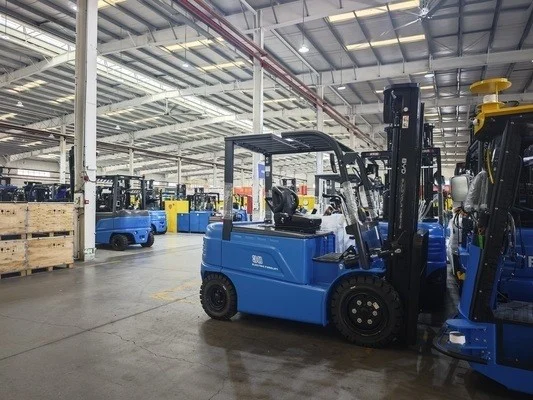
Headroom and operator height
Headroom inside the compartment should be checked against the operators who will use the truck. Ask for the relevant compartment dimensions in the current technical documentation and verify them with the tallest regular operator. Do not rely on a generic statement that the guard is suitable for all operators.
Operator Compartment Choices and Their Trade-offs
Compartment choices usually involve trade-offs rather than a single best answer. The table below compares common decision points. Use it as a checklist, not as a ranking.
| Configuration point | What to compare | Condition that favors it | What to verify |
|---|---|---|---|
| Seat type and suspension | Fixed or suspended seat, adjustability range | Long shifts, uneven floors | Seat adjustment range and mounting in the current specification sheet |
| Entry and exit | Step height, handhold position, opening design | Frequent mounting and dismounting | Compartment dimensions and access details from the manufacturer |
| Control arrangement | Lever or joystick, hydraulic function placement | Operators trained on a particular layout | Which control types are offered on the model you are quoting |
| Display and instrumentation | Gauge placement, battery state visibility | Shift-based charging and battery monitoring | Display functions listed in the technical data |
| Guard accessories | Lights, mirrors, roof panels | Low-light areas or blind corners | Factory-fit options and mounting points |
Treat each row as a question to put to the supplier. If a specification sheet does not list the detail, ask directly rather than inferring it from photographs.
Matching the Compartment to Your Actual Operating Conditions
The right configuration depends on where and how the truck works. Consider these conditions before finalizing the order.
Aisle width and door openings
A four-wheel counterbalance electric forklift needs adequate aisle and door clearance. Compartment features such as mirrors, lights, or wider guard assemblies can add to the effective envelope. Compare the truck’s dimensions with your narrowest aisle and door opening, and confirm whether any accessory changes that envelope.
Floor surface and dock transitions
Uneven floors, dock plates, and ramps affect operator comfort and control. If your route includes slopes or transitions, discuss them with the supplier and confirm the truck’s rated slope capability from the manufacturer data. Do not assume a standard compartment suits every surface.
Shift length and charging routine
Long shifts and opportunity charging change how often operators enter and leave the truck and how much time they spend monitoring battery state. Confirm where the battery indicator sits, how visible it is from the seat, and what the charging procedure requires. These details belong in the operator compartment discussion, not only in the battery section of the quote.
Attachments and load handling
If you plan to use an attachment, confirm how it affects visibility and control layout. Attachments can change the load view and the hydraulic functions the operator manages. Ask the supplier to confirm compatibility with the guard and compartment configuration you are ordering.
Questions to Put to the Supplier Before Ordering
A short, specific question list reduces the chance of a mismatch after delivery. Adapt these to your site:
- Which overhead guard and compartment options are available on the four-wheel counterbalance electric forklift model being quoted?
- What are the compartment dimensions, headroom, and step height in the current technical documentation?
- Which accessories are factory-fitted, and which are dealer-installed?
- How do the guard and mast combination affect visibility at our usual lift heights?
- What control layouts are offered, and can operators try the chosen layout before delivery?
- Which details remain to be confirmed once we provide our aisle width, load profile, and shift pattern?
Where the supplier cannot confirm a detail from published data, ask them to state what still needs verification. A clear list of open items is more useful than an optimistic verbal assurance.
FAQ
Is the overhead guard the same on every BYD electric forklift?
No. Guard and compartment configurations can differ by model and by the options selected. Confirm the exact configuration on the model you are quoting and ask which items are factory-fitted.
Can I add lights or mirrors after delivery?
Possibly, but additions can affect headroom, visibility, and the truck’s dimensions. Ask the supplier which accessories are designed to mount on the guard and whether later installation changes the configuration.
How do I check headroom for tall operators?
Request the compartment dimensions from the current technical documentation and compare them with the tallest regular operator. If the figures are not published, ask the supplier to confirm them in writing.
Does the compartment affect which aisles the truck can use?
Accessories and guard features can add to the truck’s effective envelope. Compare the full dimensions with your narrowest aisle and door opening before ordering.
What should I include in my initial inquiry?
Share your load weight, lift height, aisle width, floor and slope conditions, shift pattern, and charging arrangements. These details let the supplier recommend a compartment and guard configuration that matches your operation rather than a generic package.