Electric Forklift UK Sourcing: Battery Cycle Life And Warranty Terms To Compare Before Committing To A Lithium-Ion Fleet
News 13/11/2026
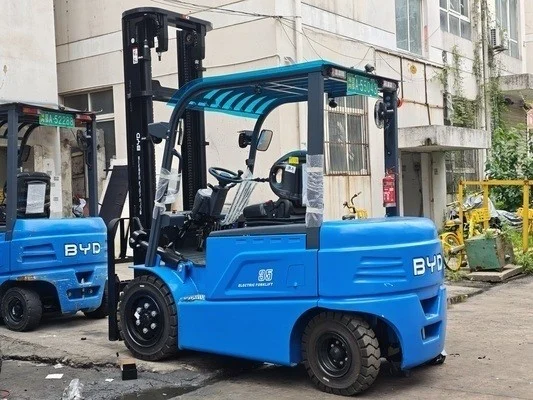
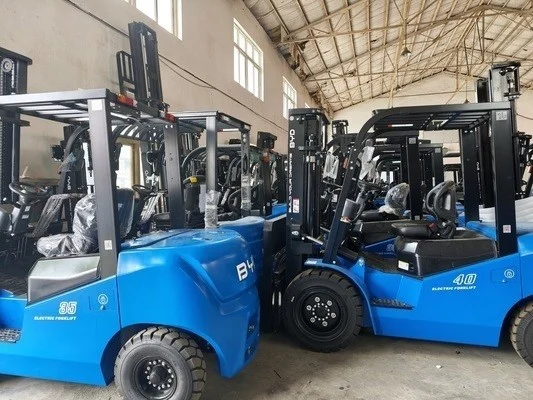
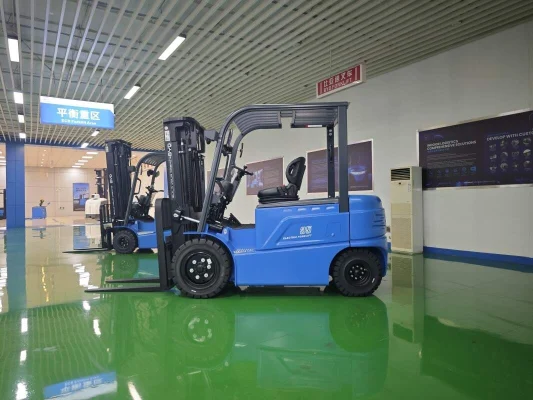
Sourcing a lithium-ion electric forklift fleet in the UK means comparing battery cycle life and warranty terms alongside load capacity and lift height. These two factors directly affect total cost of ownership and operational continuity. This article explains what to compare, how to interpret common warranty language, and which questions to ask suppliers before committing. The focus is on four-wheel counterbalance electric forklifts, the type most commonly used in general warehouse and yard duties.
Why Battery Cycle Life and Warranty Terms Matter in UK Sourcing
Cycle life determines how many charge and discharge cycles a battery can deliver before its usable capacity falls below a defined threshold. Warranty terms define what the manufacturer will repair or replace, under what conditions, and for how long. In the UK, fleet operators often keep forklifts beyond the initial warranty period, so the alignment between expected battery life and warranty coverage affects replacement planning and downtime risk.
Two batteries with similar nominal capacity can have different cycle-life ratings because of chemistry, depth of discharge, temperature, and charging practice. A warranty that covers defects but excludes capacity fade is common; a warranty that includes a capacity retention guarantee is more valuable but may carry stricter operating conditions. Comparing these details prevents surprises later.
Key Battery Cycle Life Metrics to Compare
Suppliers may present cycle life in different ways. Ask for the test conditions behind any figure. Without them, a cycle-life number is not comparable across brands.
Depth of Discharge and End-of-Life Capacity
Cycle life is often quoted at a specific depth of discharge (DoD), such as 80% or 100%. A battery rated at 3,000 cycles at 80% DoD may deliver fewer cycles if regularly discharged to 100%. Also check the end-of-life criterion: some ratings use 80% of initial capacity, others 70%. The lower the end-of-life threshold, the more cycles may be claimed. Compare like with like.
Test Conditions and Temperature
Cycle-life tests are typically run at a controlled temperature, often 25°C. Real warehouse temperatures vary. High ambient heat accelerates capacity fade. Ask whether the supplier offers derating guidance or temperature limits. A warranty may specify an operating temperature range; exceeding it could void coverage.
Charge Rate and Partial Charging
Opportunity charging (partial charges during breaks) is common with lithium-ion. Frequent partial charging can be less stressful than full cycles, but the effect on cycle life depends on the battery management system and cell chemistry. Request data or application guidance on how partial charging affects the warranty. Do not assume a cycle-life rating applies equally to all charging patterns.
Warranty Terms That Affect Fleet Decisions
Warranty documents vary in structure and exclusions. The following elements deserve close reading.
Coverage Period and What Is Covered
Check whether the warranty covers the battery cells, the battery management system, the charger, or the complete traction battery assembly. Some warranties are prorated: the supplier covers a declining percentage of replacement cost over time. Others offer full replacement within a defined period. Clarify whether labour and transport are included.
Capacity Retention Guarantees
A capacity retention guarantee states that the battery will retain a minimum percentage of its initial capacity after a specified number of cycles or years. This is distinct from a defect warranty. If offered, confirm the measurement method, the conditions that must be met (e.g., charging profile, temperature), and the remedy if the guarantee is not met.
Exclusions and Operating Conditions
Common exclusions include damage from improper charging, use outside specified temperature limits, water ingress, and unauthorised repairs. Some warranties require periodic maintenance by approved technicians. In the UK, check whether the warranty is transferable if the forklift is sold, and whether it applies across multiple sites.
Service Network and Response Times
Warranty value depends on how quickly a claim is resolved. Ask about the UK service network, typical response times, and availability of spare batteries or modules. A long warranty with slow support may cost more in downtime than a shorter warranty with fast local service.
Comparing Suppliers: A Practical Checklist
Use this checklist when requesting quotes from UK suppliers. It applies to four-wheel counterbalance electric forklifts and helps structure side-by-side comparison.
| Item to Compare | What to Ask | Why It Matters |
|---|---|---|
| Cycle life rating | At what DoD, temperature, and end-of-life capacity? | Ensures figures are comparable |
| Warranty period | Years or cycles? Which comes first? | Defines coverage duration |
| Capacity guarantee | Is there a retention guarantee? How measured? | Protects against early fade |
| Exclusions | Temperature limits, charging requirements, maintenance | Avoids voiding coverage |
| Service support | UK response time, spare parts availability | Reduces downtime risk |
Request written confirmation of these points in the quotation. Verbal assurances are difficult to enforce. If a supplier cannot provide test conditions or warranty details, treat the offer with caution.
Frequently Asked Questions
How does depth of discharge affect battery cycle life?
Generally, shallower discharges allow more cycles before end-of-life capacity is reached. However, the exact relationship depends on cell chemistry and battery management. Always compare cycle-life ratings at the same depth of discharge.
What is a typical warranty period for lithium-ion forklift batteries?
Warranty periods vary by supplier and application. Some offer 3 to 5 years, sometimes with cycle limits. Rather than assume a typical period, ask each supplier for their specific terms and read the exclusions.
Can I compare cycle life across different battery brands directly?
Only if the ratings use the same test conditions: depth of discharge, temperature, charge rate, and end-of-life criterion. Without these details, a direct comparison is not reliable.
Does opportunity charging void the warranty?
Not necessarily, but the warranty may specify approved charging profiles. Check whether the battery management system supports opportunity charging and whether the warranty explicitly allows it.
Next Steps Before Committing
Before signing a fleet agreement, collect written warranty documents and cycle-life test conditions from each supplier. Confirm how the warranty handles capacity fade, what operating conditions are required, and what service response you can expect in the UK. Match these terms to your actual duty cycle: shift patterns, charging windows, ambient temperature, and planned years of service. If your operation involves four-wheel counterbalance electric forklifts, share your load, lift height, and shift details with suppliers to get configuration-specific answers. Honest comparison now reduces the risk of unexpected battery replacement costs later.