Indoor Electric Forklift Duty Cycle Audit: How Shift Patterns and Load Handlings Determine Lithium-Ion Battery and Charging Needs on a Four-Wheel Counterbalance Truck
News 11/11/2026
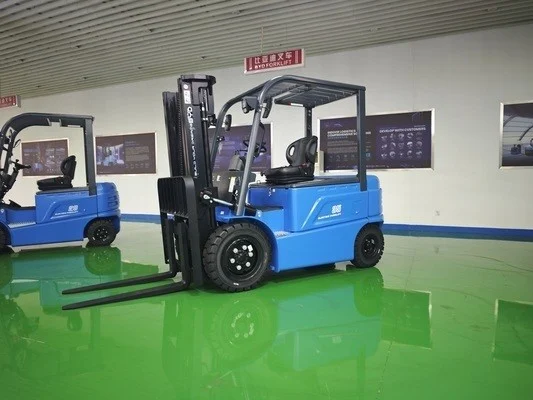
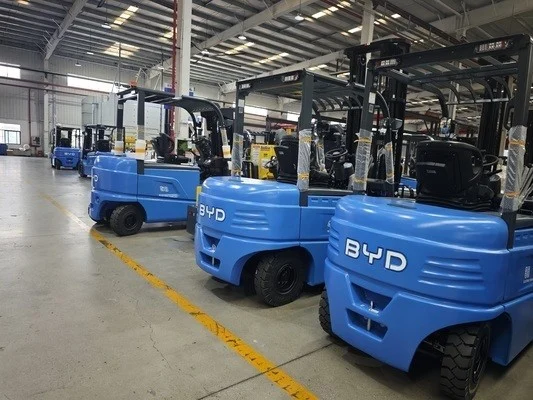
An indoor electric forklift rarely runs one steady pattern all day. A four-wheel counterbalance electric forklift may spend the first hour unloading trailers, the next two shuttling pallets between racking aisles, and the last hour staging outbound orders. Each task changes how much energy the truck draws and how much time it has to recharge. A duty cycle audit replaces guesswork about battery capacity and charging with a written record of what the truck actually does. The goal is simple: match lithium-ion battery capacity and charger power to the real shift pattern, load weights, and lifting heights, then confirm the result against the manufacturer’s technical data.
What a Duty Cycle Audit Measures on an Indoor Counterbalance Truck
A duty cycle audit is a structured count of work elements over a representative period, usually one full shift or one production cycle. It is not a single number such as hours operated. The audit separates the elements that drive energy demand so you can see which ones dominate.
Elements worth recording
- Shift length and breaks: total scheduled time, unpaid breaks, and any opportunity to charge between tasks.
- Load handlings per shift: the number of pick-and-place cycles, counted separately from travel time.
- Load weight distribution: typical load, heaviest routine load, and how often the heaviest load appears.
- Lift height and lift frequency: how high each load goes and how many lifts occur at each height band.
- Travel distance and route type: straight runs versus frequent turns, aisle congestion, and doorways.
- Ramps and floor conditions: slope percentage, surface roughness, and any dock leveller transitions.
- Idle and accessory time: waiting at a dock, holding a load, and use of work lights or other powered attachments.
Record these elements with a clipboard count, a shift log, or data from the truck’s own monitoring system if one is available. The method matters less than consistency. A two-day sample that covers a busy and a quiet shift is more useful than a single peak hour.
Why handlings matter more than hours
Two trucks can operate the same eight hours and draw very different amounts of energy. A truck that completes 40 heavy lifts to high racking does more work than one that completes 15 light lifts at low height. Counting load handlings, load weight, and lift height gives a better picture of energy demand than clock time alone. The audit should therefore report handlings per shift alongside the hours.
Turning Shift Patterns and Load Handlings into Battery and Charging Requirements
Once the audit data exists, the next step is to translate it into two decisions: how much lithium-ion capacity the truck needs, and what charging routine the operation can support. Neither decision can be made from the audit alone; both require the manufacturer’s published capacity, voltage, and charger specifications.
Step 1: Classify the shift pattern
Most indoor operations fall into one of three patterns. Use the audit to place each truck in the right category.
| Shift pattern | Typical audit signature | Charging implication to confirm |
|---|---|---|
| Single shift with long idle periods | One 8-hour shift, moderate handlings, truck parked between tasks | Overnight charging may be enough; confirm charger output and available time |
| Single shift with high handlings | One 8-hour shift, frequent heavy lifts, little idle time | Opportunity charging during breaks may be needed; confirm battery capacity headroom |
| Multi-shift or near-continuous | Two or three shifts, truck shared or handed over, limited charging windows | Battery capacity and charger power must be sized together; confirm with manufacturer data |
These categories are general planning aids, not performance guarantees. The correct fit depends on the specific truck configuration and the actual audit numbers.
Step 2: Weight the handling profile
Handling count alone is not enough. Combine it with load weight and lift height. A shift with many lifts near the truck’s rated capacity at high lift heights places different demands on the battery and hydraulic system than a shift with the same number of lifts at low height and partial load. Flag any routine lift that approaches the rated capacity or the maximum lift height, because those conditions deserve a closer check against the load chart and the manufacturer’s guidance.
Step 3: Map charging windows
List every realistic charging window: overnight, shift change, scheduled breaks, and any idle periods longer than the charger’s useful top-up time. Lithium-ion batteries generally accept opportunity charging better than older lead-acid designs, but the acceptable routine still depends on the specific battery management system and charger. Ask the supplier to confirm whether partial charging fits the recommended practice. Do not assume that any window is usable until the charger and battery specifications confirm it.
Step 4: Check the physical and electrical limits
Charging needs are also site needs. Confirm the available electrical supply, charger location relative to the parking area, ventilation, and whether charging equipment can be installed without blocking aisles. A duty cycle that looks feasible on paper can fail if the charger cannot be placed where the truck parks.
Common audit mistakes
- Counting only operating hours and ignoring handlings, load weight, and lift height.
- Sampling a single peak shift and treating it as the average.
- Assuming a larger battery always solves a charging problem before checking charger power and available windows.
- Ignoring ramps, rough floors, and dock transitions that add load to every cycle.
- Treating a general rule of thumb as a substitute for the manufacturer’s capacity and charger data.
Frequently Asked Questions
How long should a duty cycle audit run?
Cover at least one full production cycle, and include both a busy and a quiet period if they differ. A short sample that misses peak demand will understate battery and charging needs.
Can I size a lithium-ion battery from handlings per shift alone?
No. Handlings per shift is one input. Load weight, lift height, travel distance, floor conditions, and available charging windows all affect the result. Final sizing should come from the manufacturer’s technical data matched to your audit.
Does opportunity charging suit every indoor operation?
Not necessarily. It depends on the battery management system, charger specifications, and whether suitable charging windows exist. Confirm the recommended routine with the supplier before planning around it.
What should I send a supplier when requesting a configuration?
Provide shift length, handlings per shift, typical and heaviest load weights, lift heights, aisle and route details, floor and ramp conditions, and the charging windows you can offer. These details let the supplier check a four-wheel counterbalance electric forklift configuration against your actual work rather than a generic assumption.
If your operation is ready to move from audit to selection, share the recorded shift pattern and handling profile with our team so we can review suitable four-wheel counterbalance electric forklift configurations and charging options against the manufacturer’s published specifications.