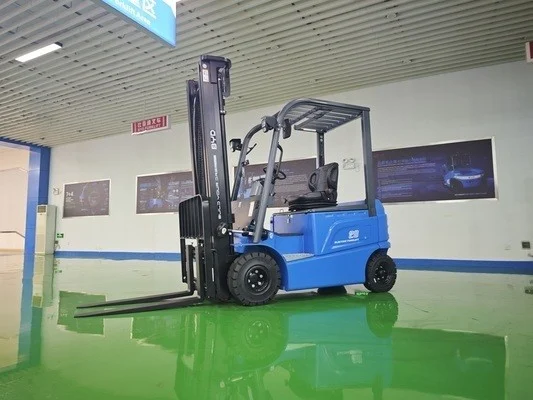
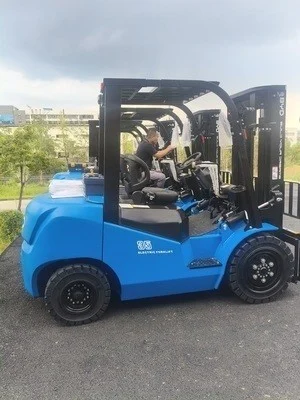
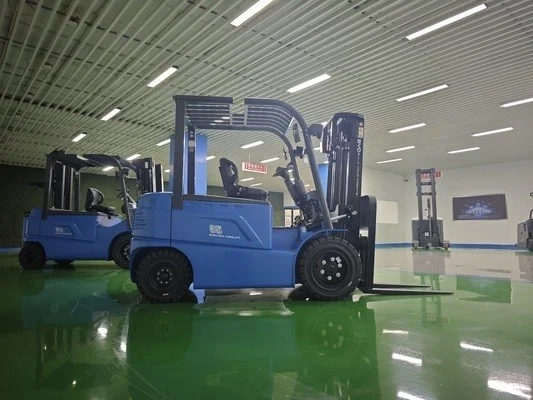
Key Operational Considerations Lithium Ion Forklift Integration Existing Fleet Management Systems
News 05/10/2026
Many operations add lithium ion forklift to existing material handling fleets, but successful integration with current fleet management systems requires careful upfront planning. This guide breaks down key operational considerations to avoid common mistakes and deliver expected performance gains.
Core Compatibility Checks Before Integration
Compatibility issues cause most integration failures. Teams must complete two core checks before investing time or money into changes.
Communication Protocol Alignment
Most modern lithium ion forklift include built-in battery management systems (BMS) that output operational data via standard CAN bus or cellular telematics protocols. Many older fleet management systems use proprietary protocols built exclusively to support lead-acid powered equipment.
Teams must confirm BMS output protocols match what your existing system can accept. Third-party adapter modules work with many mismatched setups, but add incremental cost and potential latency to data updates.
Data Point Compatibility
Traditional fleet management systems track metrics aligned with lead-acid forklift operations: total run hours, battery water level, and swap times. Lithium ion forklift require additional tracking to maintain performance:
- Battery state of charge
- Individual cell temperature
- Total charge cycles
- Battery state of health
Many existing systems can accept new data points after minor dashboard and schema updates. Systems with hard-coded metric fields may require full platform replacement to support these new data types.
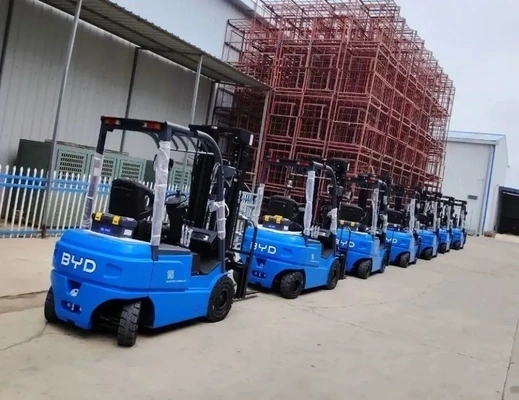
Power Management Workflow Adjustments
Lithium ion forklift change core power management workflows. Your fleet management system needs updates to align with these new operational patterns.
Opportunity Charge Integration
Lithium ion technology enables opportunity charging during short breaks, eliminating need for scheduled battery swaps common with lead-acid units. Your fleet management system must update scheduling and utilization tracking to reflect this change.
Operations that previously allocated two hours each shift to battery swaps can reallocate this time to productive material handling. Updated system logic automatically logs charging events during breaks, so utilization calculations remain accurate.
State of Health Tracking
Battery state of health (SoH) data helps teams predict when battery capacity drops below usable levels. Most legacy fleet management systems lack built-in SoH reporting, so teams need add custom dashboards or enable third-party reporting modules to access this critical insight.
Hardware and Infrastructure Adjustment Requirements
Integration often requires small hardware changes to connect lithium ion forklift BMS to your existing fleet management network.
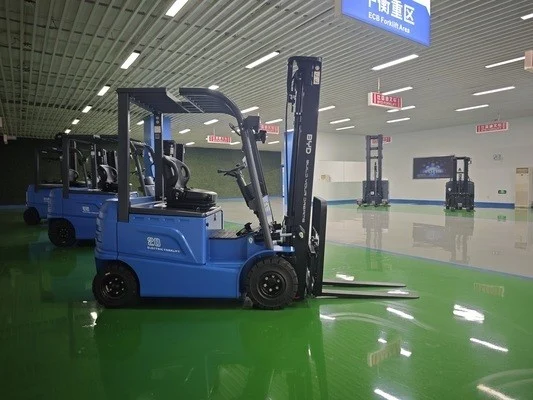
Common changes include new telematics dongles that translate BMS data into a format your system reads, and updated charging station connectivity to share charge event data. Some older on-board fleet hardware cannot handle the higher frequency data output from modern lithium ion BMS, so full hardware upgrades become necessary in these cases.
One key limit: facilities with outdated Wi-Fi or cellular coverage may experience data gaps when integrating multiple new lithium ion units. Teams must test network coverage across all work areas before completing full deployment.
Practical Selection Guidance
Integration needs vary based on your fleet size and operational goals:
- Small fleets under 5 units: Integration with complex enterprise fleet management systems rarely delivers enough benefit to offset implementation costs. You can rely on lithium ion forklift built-in BMS monitoring to track performance.
- Medium fleets 5-20 units: Partial integration works well. Add core lithium-specific metrics to your existing system to gain visibility without full overhauls.
- Large fleets over 20 units: Full integration delivers clear value. It helps optimize charging schedules, extend battery lifespan, and improve overall fleet utilization.
Always complete a small pilot test with one or two lithium ion forklift before rolling out integration across your entire fleet. This reveals hidden compatibility issues early, when changes cost less to address.
Frequently Asked Questions
Can I integrate my lithium ion forklift into an older legacy fleet management system?
Integration succeeds only if your system supports modern communication protocols and can accept new lithium-specific data points. Legacy systems without these capabilities require partial upgrades or full replacement to deliver full functionality.
What common integration mistakes should I avoid?
Common mistakes include skipping protocol testing before full deployment, failing to update management dashboards to display lithium-specific metrics, and ignoring required firmware updates for existing fleet management hardware. Pilot tests catch most issues before they impact operations.
How does integration change daily fleet operations?
Integration adjusts charging and maintenance workflows. Lithium ion forklift support opportunity charging, so your system updates scheduling rules to eliminate planned battery swap time. Maintenance schedules also shift focus toward battery health checks instead of lead-acid battery water top-ups.
Do I need new hardware to complete integration?
New hardware becomes necessary only when your existing system lacks compatible communication ports or cannot process higher frequency BMS data. Many modern fleet management systems support integration with only software updates.
Successful integration of lithium ion forklift into existing fleet management systems relies on upfront planning, compatibility testing, and aligned workflows. Teams that address these key considerations gain full visibility into forklift performance, reduce unplanned downtime, and maximize return on their lithium ion investment.