Choosing a Lithium Ion Forklift Battery for Four-Wheel Counterbalance Electric Forklift Shift Patterns: Questions Buyers Should Ask
News 02/11/2026
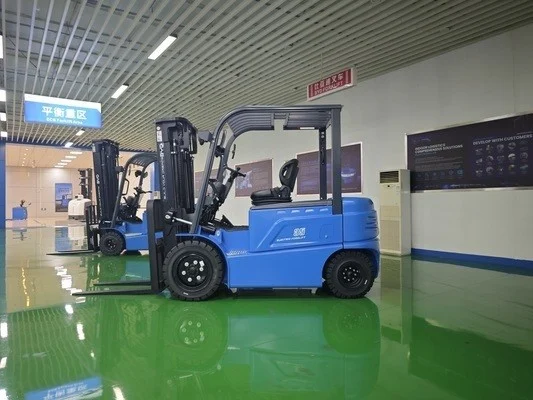
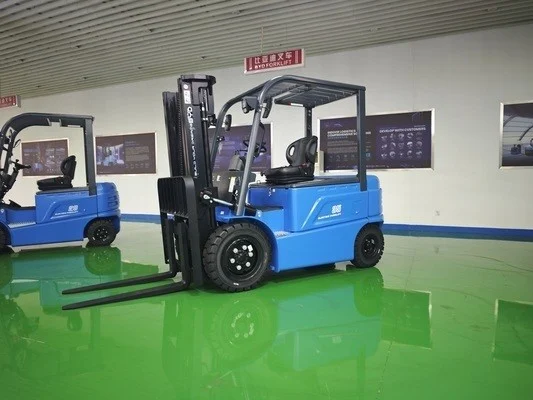
A lithium ion forklift battery purchase becomes much easier once you stop comparing catalog numbers and start describing how the truck actually works across a week. Shift length, charging windows, opportunity charging habits, and the number of operators sharing one truck all shape which pack configuration fits. Buyers often request a quote with only a truck model and a target runtime, which leaves the supplier guessing about the real duty cycle. The questions below help you build a requirement sheet that a supplier can answer accurately, and they apply specifically to four-wheel counterbalance electric forklifts used in general warehousing, loading, and plant transfer work.
What Should You Know About Your Shift Pattern Before Requesting a Quote?
Shift pattern is the single most useful input a buyer can provide. A single-shift operation with a long overnight window and a multi-shift operation with brief breaks between shifts place very different demands on a battery and charger combination. Describe the pattern in hours and behavior, not labels.
- How many hours per day does the truck actually move, excluding breaks and idle time?
- How many shifts run on the same truck, and how long is each gap between them?
- Does the truck return to a fixed charging point, or does it stay in a distant aisle most of the day?
- Is opportunity charging during breaks and lunch already part of the routine, or would it be new?
- How many operators share the truck, and does handover happen mid-shift?
These answers determine whether a single pack charged once daily is realistic or whether the operation needs a second pack, a higher-capacity pack, or a charging routine built around short top-ups. A supplier cannot responsibly size a pack from a shift count alone, because two operations with identical shift counts can differ widely in lift height, travel distance, and load weight.
Duty Cycle Details That Change the Answer
Beyond hours, describe what the truck does. Constant pallet handling at low height, repeated trailer loading, and long travel runs between a warehouse and a production line consume energy differently. Load weight, average lift height, ramp gradients, floor condition, and attachment use all belong in the requirement sheet. If you do not have measured figures, give honest estimates and mark them as estimates. A supplier can then propose a configuration and state which assumptions need checking during a site review.
Which Technical Details Should Appear in the Inquiry and Acceptance Check?
A useful inquiry lists the truck, the existing electrical setup, and the operating environment. It also asks the supplier to state what is included and what is excluded, so the offer can be compared on equal terms.
| Category | What to Provide or Confirm |
|---|---|
| Truck details | Model, rated capacity, lift height, attachment, and whether the truck is a four-wheel counterbalance electric model |
| Battery interface | Voltage, connector type, compartment dimensions, weight limits, and how the pack is retained and swapped |
| Charging | Available supply, charger location, charging window length, and whether opportunity charging is planned |
| Environment | Ambient temperature range, dust, moisture, washdown practices, and any area classification rules |
| Documentation | Datasheet, conformity documents, warranty terms, service response, and spare-part availability |
Ask the supplier to confirm battery management behavior, communication with the truck, and what happens when the pack reaches a low state of charge. Also ask how state of charge is displayed to operators and whether the truck’s own display reflects the lithium pack accurately. These details affect daily usability more than headline capacity figures.
Questions About Weight, Fit, and Stability
A lithium pack may weigh less than a comparable lead-acid pack, which can change counterweight balance on a counterbalance truck. Ask the supplier to confirm that the proposed pack suits the truck’s stability requirements and that the compartment, retention, and connector arrangement are compatible. Do not accept a general statement that the pack fits all trucks of a given capacity. Request confirmation against your specific model and configuration.
Questions About Charging Infrastructure
Confirm the charger type, input supply, and space needed at the charging point. Ask whether the charger can be shared between trucks, what charging profile is used, and how the supplier expects operators to handle mid-shift top-ups. If your site has limited electrical capacity, raise that early rather than after the order. The supplier should explain the options and the trade-offs instead of promising a result without reviewing the site.
Frequently Asked Questions
Can one lithium ion forklift battery cover two shifts without a swap?
It can in some operations, but the answer depends on measured energy use, not shift count alone. Provide hours of actual movement, load weight, lift height, and travel distance, then ask the supplier to state the assumptions behind any runtime claim. If the margin is thin, discuss a second pack or a charging routine before committing.
Is opportunity charging harmful to a lithium pack?
Short top-ups during breaks are a normal part of many lithium workflows, but the acceptable pattern depends on the pack and charger design. Ask the supplier to describe the recommended charging windows and any limits on frequent partial charging. Follow the manufacturer’s instructions rather than treating all lithium packs as identical.
What should be checked at delivery?
Check that the pack matches the approved specification, fits the compartment, connects correctly, and communicates with the truck as described. Confirm charger setup, review the operating instructions with the people who will use the truck, and record serial numbers and warranty terms. Keep the approved datasheet as the reference document.
How should buyers compare offers from different suppliers?
Compare on the same requirement sheet: capacity and voltage, physical fit, charging configuration, included documentation, warranty, service arrangements, and stated assumptions. Ask each supplier to identify anything they have not verified and what information they still need. A clear list of open items is more useful than a polished brochure, and it shows where a site visit or trial may be needed before a final decision.
When you are ready to discuss a four-wheel counterbalance electric forklift and its battery configuration, share your shift pattern, load details, lift height, and charging conditions. That information lets the selection and configuration discussion start from your actual operation rather than a generic recommendation.